1. I. Introduction
troke is the leading cause of death and disability world-wide. It is responsible for 10.8% of total deaths and 3.1% of the burden of disease in the world. And nearly 15% of stroke patients were young adults (1,2) . In Ethiopia, with the demographic and epidemiologic shift now occurring, none communicable diseases like stroke are increasing. The well known risk factors for stroke like MD, HTN, smoking and dislipidemia are not its major cause in young adults of Ethiopia. It is also reported their is double burden of disease in Ethiopia with still unresolved communicable disease and the increasing none communicable disease. (3) One of the communicable diseases cause for stroke is acute rheumatic fever (ARF) with its sequel, rheumatic heart disease (RHD) and its thromboembolic complications.
ARF, RHD was affecting the young population, reduced through preventative measures in the developed world, but it is still highly prevalent in developing countries due to lack of awareness, inadequate early diagnosis and treatment (4)(5)(6)(7)(8)(9) . The prevalence of RHD in Ethiopia is estimated to be up to 60 per 1000 population in ages between16-20 (10) . Valvular heart disease (VHD) and atrial fibrillation (AF) are the sequel of RHD and remain important risk factors for ischemic stroke (11)(12)(13) . Group A streptococcal throat infection is a well-known cause of bacterial pharyngitis that can lead to Acute Rheumatic Fever (ARF) with cardiac, brain, joint and kidney complications. The cardiac involvement can affect the heart valves, predisposing the patient of an increased risk of vegetations and subsequent damage to the leaflets. Complications such as RHD and nephritis are more common in children in the first ten years after infection (14,15) . These complications remain the causes of mortality to a single organism (16,17) .
Approximately 20% of patients with RHD will suffer thromboembolic complications. A pooled analysis from different studies stated that in 39% of cases of RHD, embolization to the brain occurred (13) . Studies have estimated the overall mortality rate from emboli secondary to RHD to be 11-16% (18) . Recent reports show increasing trend in ischemic stroke among young adults (19) . But the associated factors were not well studied in Ethiopia. Given the risk of RHD as a cause of stroke in young, Identifying the burden and appropriate early intervention targeting the prevention and treatment of ARF would be the best approach. So studying the specifically the associated factor for stroke in young adults is important to improve the prevention effort for stroke. Hence this study aimed to descriptively quantify the occurrences of RHD in young stroke patients in the study hospital.
The Objective of the study was to describe the occurrence of stroke risk factors in young adults visiting Tikur Ambessa Specialized hospital emphasizing the impact of RHD.
2. a) Study Design and Setting
We conducted a cross-sectional retrospective chart review of all stroke patients who presented to Tikur Anbessa specialized hospital from December 2011 to December 2015. Tikur Anbassa specialized hospital is located in the capital city Addis Ababa. It is the largest tertiary care teaching hospital in Ethiopia. It has more than 800 admission beds and more than 5 million population coverage. The hospital provides both inpatient and outpatient services to patients referred from different small hospitals of the country. It is currently the hospital where advanced neurology and neurosurgical investigations and intervention are practiced. The hospital also houses the Ethiopian pediatric cardiac Center.
3. b) Data Collection
A standard questionnaire was prepared which have a variable including patient demography, stroke type, presence of associated factors, and characteristics of patients with RHD. All charts of the patients during study time ware reviewed. Patients were selected from the patient register. Once their charts were identified we screened the charts for completeness. The data collectors were emergency medicine year two residents. Data quality was maintained throughout the collection to a cleaning process by the investigators. Patients charts with no brain imaging results and those with hemorrhagic stroke were excluded from the study.
4. c) Data Analysis
Data were cleaned and transferred to SPSS version 20 for further analysis. The analysis was done using descriptive statistics. The definition for young age varies from 35 to 45, the age range between 13 to 40 years was arbitrarily chosen by the authors as young adult.
5. d) Ethical Consideration
The study protocol was reviewed, and written support was obtained from Addis Ababa University, school of medicine department of emergency medicine. Patient identification was not collected, and confidentiality of patients was maintained during data collection through the dissemination of the results.
6. III. Results
7. a) Demography and Clinical Data of Ischemic Stroke
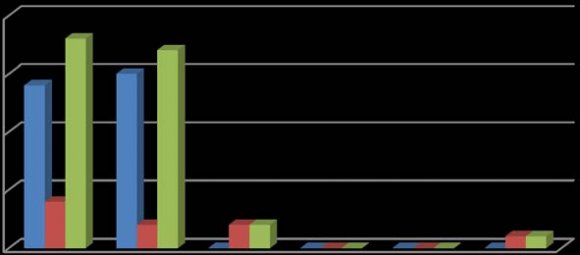
Patients A total of 304 confirmed stroke patients were seen at the hospital between the years 2011-2015. Of which 161(53%), patients had ischemic stroke and their charts were complete for chart review. From the ischemic stroke patiens a total of 75 patients (46.6%) were female and 86 patients (53.4%) were male. The mean age of patients was 60 years minimum being 13 and maximum being 90 years. Over all 42 (26%) ischemic stroke patients were young adults. Twenty nine patients (16%) had echo-cardiographically documented VHD. The median age for patients with VHD was 35 years. Twenty two patients (75.8 %%) had echo-cardiographically documented rheumatic valvular heart disease. The rest was documented as either degenerative valvular lesion or non specific vavular lesion. At presentation 17(63%) of young ischemic stroke patients was in heart failure (CHF), 13 (15.6%) had hypertension and none of them were smokers. Mitral valve was the commonest isolated valve affected accounting 8 (27.6%) of the patients with abnormal valve. But majority of patients with valvular lesion 14 (48.8%) had multi-valvular involvement. See table one below. Regarding the possible risk factors for stroke in young adults with RHD patients, none of the patients had Diabetes mellitus, hypertension or lipid profile derangement and none of them were smokers. But all had valvular involvement. For detailed clinical data see Tables 2 and Figure
8. IV. Discussion
This study has shown a slightly higher proportion of ischemic stroke occurrence in the study hospital. But, it is lower than the developed nations report (20). It has affected female more than male patients, 1:1.2. Twenty six percent of the patients were younger adults. This is higher than the 5% reports from the developed nation (21). The prevalence of valvular lesion in ischemic stroke patients was 16%, and more than a 75% of this valvular heart disease and stroke patients had rheumatic valvular damage. Our study also had showed 73% of the patients that had RHD and ischemic stroke were younger than 40 years. It appears, the only known risk factor for stroke in young adults with Rheumatic heart disease was their cardiac condition. This stroke with disabilities occurring at younger age leads not only to long-term care, but also reduces the number of young people entering the work force.
This study also shown the commonly involved isolated valves were mitral and aortic with Atrial fibrillation as a common rhythm problem detected. Similar to our study in a research in Estoniya atrial fibrillation was found in 48% of cardioembolic stroke patients. Researchers have shown nearly 100% of cases of pure Mitral stenosis (MS) are caused by RHD (22) and up to 80% of patients with systemic emboli with MS have atrial fibrillation. The relative risk of stroke is 15 times higher than in those with only one of MS and AF, but only six times higher for those with AF only, compared with the general population (23). Also thrombombolic complications from MS even in the absence of AF has been reported and is estimated to near 12% (24, 25).
The course on VHD in developing countries differs from that of the developed world similar to our study; a study from Asia had shown RHD is believed to be the cause of stroke in 23 % of the cases. But it was only 2.0 % in Europe and Northern America (26). In study in developed worled hypertention, dyslipidemia, and smoking were the most frequent risk factors for the stroke in youngs. In addition, in a population study in UK dissection of extra cranial arteries, premature atherosclerosis, migraine, and vasculitis were mentioned as causes for stroke in young, which were not found in our study patients (27). This discrepancy can be caused by the preventive effort made in the developed nation.
Given the high morbidity and mortality from RHD and its complications, efforts should be geared towards preventive measures in fighting the inciting (28, 29). Tertiary management addresses the clinical consequences of established RHD and involves surgical management. Anticoagulation is also strongly recommended for patients with AF as well as those with MS with normal sinus rhythm (30, 31). Small studies have suggested that primary prevention of rheumatic fever is a cost-effective way of dealing with RHD. Of all the recommendations primary prevention appears to be the best approach in combating RHD and its squeal like stroke especially in the developing world, including Ethiopia.
9. V. Limitation
Not all patients had available and complete charts leading to a small sample size. Study was limited to data from one hospital only. Selection bias is another limiting factor as we only evaluated patients that presented to one hospital. These patients may not reflect the total stroke patients in other hospitals or in the country. No mortality outcome evaluated in this study.
10. VI. Conclusion
In the absence of other cardiovascular risk factors, the history of RF/RHD and its sequel appear to have caused the stroke symptoms in our patient cohort. RHD and its sequels serve as a significant risk factor for stroke in young adults and early effective preventive measures are needed to combat the problem.
| Characteristics | 13 -40 Years | % | > 40 Years | % | Total | ||
| Sex | Male Female | 21 21 | 24.4 28 | 65 54 | 75.6 72 | 86 75 | |
| RHD | 16 | 72.7 | 6 | 27.3 | 22 | ||
| VHD | 16 | 55.2 | 13 | 44.8 | 29 | ||
| CHF | 17 | 63 | 10 | 27 | 27 | ||
| Clinical Character | HTN | 13 | 15.6 | 71 | 84.5 | 84 | |
| DM | 5 | 19.2 | 21 | 80.8 | 26 | ||
| Smoker | 0 | 0 | 3 | 100 | 3 | ||
| Atrial Fibrillation | 17 | 43.6 | 22 | 56.4 | 39 | ||
| Mitral | 3 | 37.5 | 5 | 62.5 | 8 | ||
| Valve Involved | Aortic | 1 | 14.3 | 6 | 85.7 | 7 | |
| Multi-Valve Lesion | 12 | 85.7 | 2 | 14.3 | 14 | ||
| b) Characteristics of Ischemic Stroke Patients with | than 40. Eighteen (82%) patients with VHD had both | ||||||
| Rheumatic Heart Disease | RHD as well as AF of which 14 patients (77.8%) were | ||||||
| Of the 22 patients with RHD and ischemic | younger than 40 years. In terms of valve involved on the | ||||||
| stroke 16 patients (73%) were young adults. Of the | echocardiogram, 7 (24%) patients had isolated aortic | ||||||
| patients who had VHD, 20 patients (69%) were younger | valve involvement, 8 (27.6%) patients had isolated mitral | ||||||
| Sequel of RHD | < 40 Years | % | > 40 Years | % | Total (100 %) |
| RHD and VHD | 16 | 73 | 6 | 27 | 22 |
| RHD and Afib | 14 | 77.8 | 4 | 22.2 | 18 |
| RHD and CHF | 15 | 88.2 | 2 | 11.2 | 17 |
| RHD, AFib and VHD | 12 | 75 | 4 | 25 | 16 |
| RHD, AFib and VHD, CHF | 12 | 85.7 | 2 | 14.3 | 14 |