1.
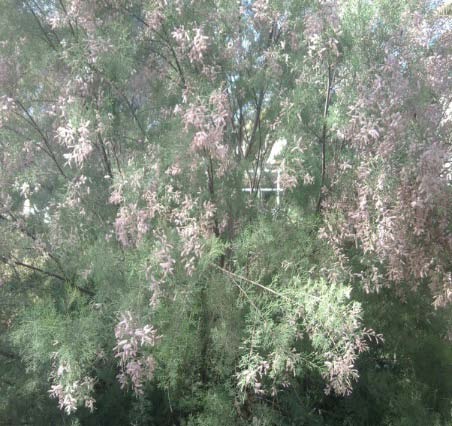
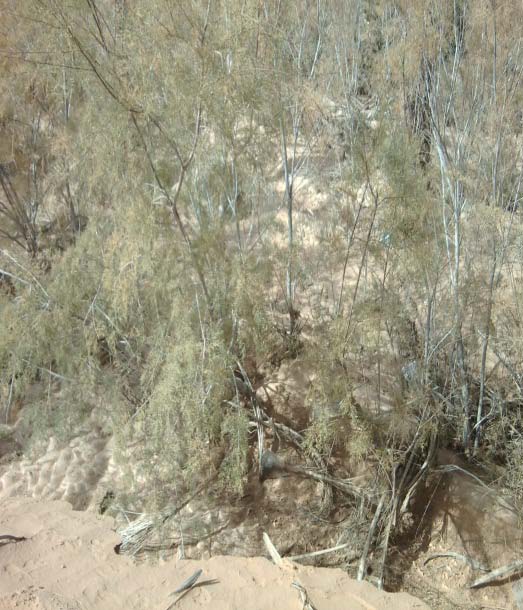
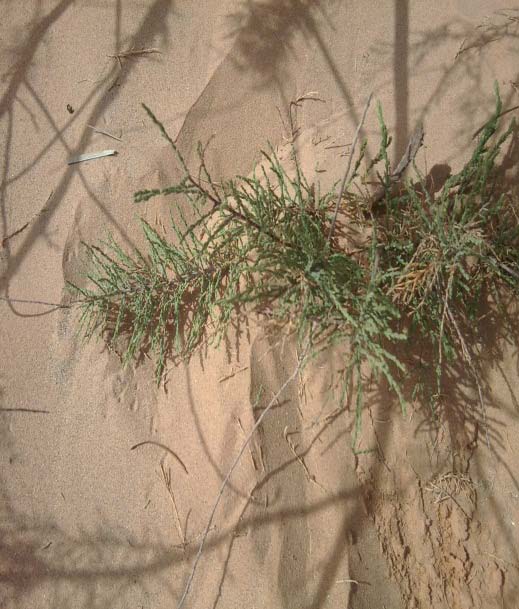
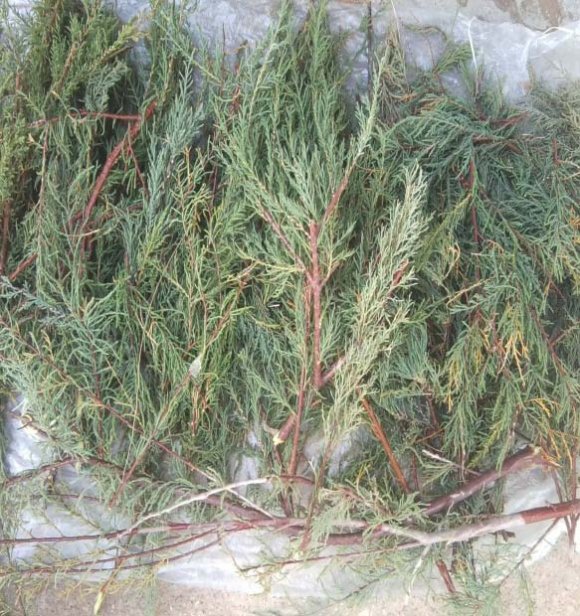
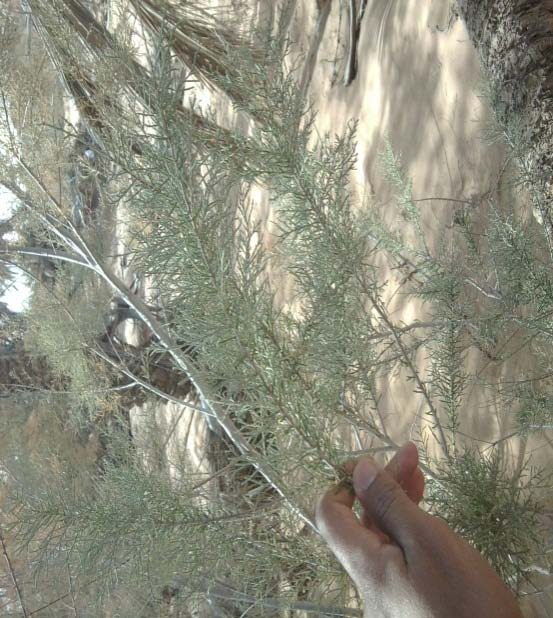
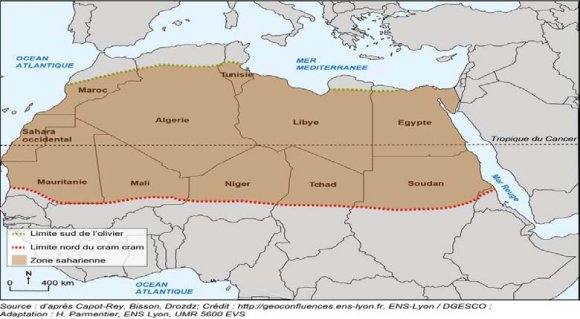
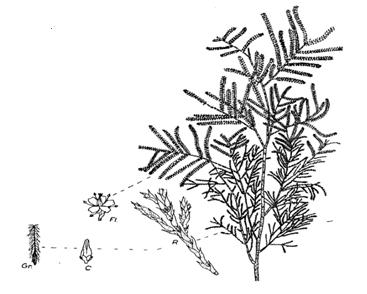
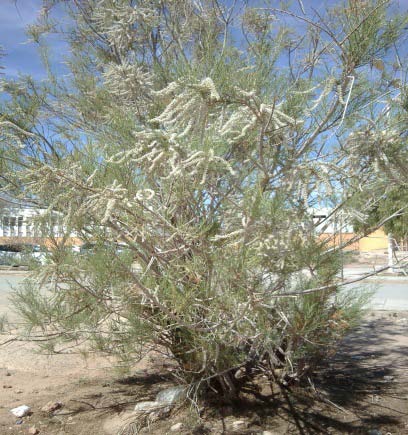
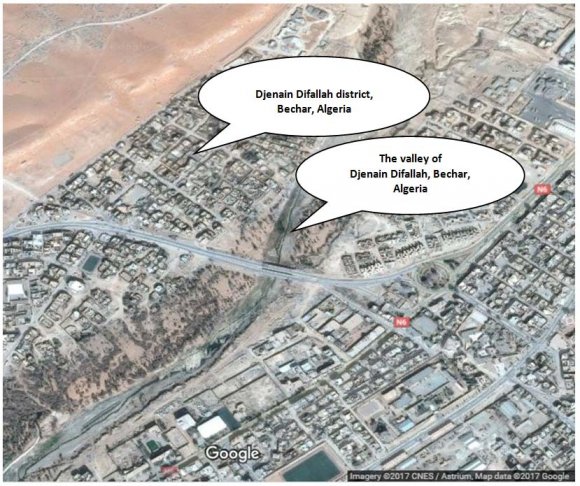
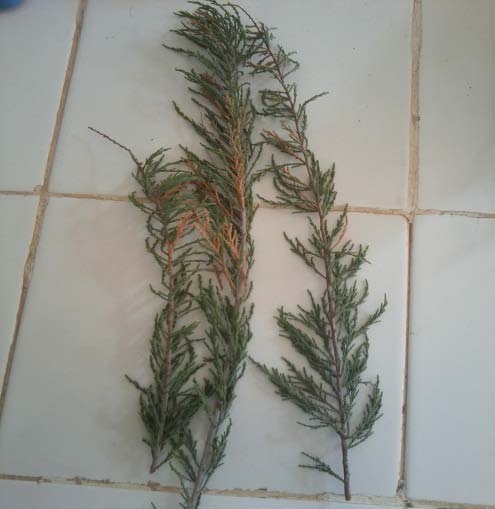
I. Introduction he use of medicinal plants as a source of remedy to treat themselves or Prevent diseases is originating in the millennia until the recent Chinese civilization, Indian and the Middle East. It is become certainly. The modern pharmaceuticals industry itself is still supports widely on the diversity of plant secondary metabolites to find new molecules to biological properties unpublished. This source seems inexhaustible since only a small part of the 400000 known plant species have been investigated on plans phytochemical and pharmacological, and that each species may contain up to several thousands of different constituents. Medicinal plants are used mainly in two forms: Complex, containing a broad spectrum of constituents (infusion, essential oils and extracts of the dyes). Pure, chemically defined as active principle. The pure compounds are generally used when the active principles of the plants produce a strong and specific activity or have a low therapeutic index. The Algerian flora with its 3000 species belonging to several botanical families Including 15% endemic, remains very little explored on the phytochemical plan as on the pharmacological plan. The valorization of the Medicinal Plants of the national flora will be a great contribution to the pharmaceutical industry of Algeria and will have an economic impact certain [1] The generic name of origin in Latin is supposed to refer to the river Tamarisk in Spain [3][4]. The Tamarisk are trees or shrubs, frequent in salted land, characterized by small leaves scaly, often nested, and giving the twigs the appearance of those of some junipers. Fig. 2: Salted land where Tamarisk gallica are existing in the west south of Algeria.
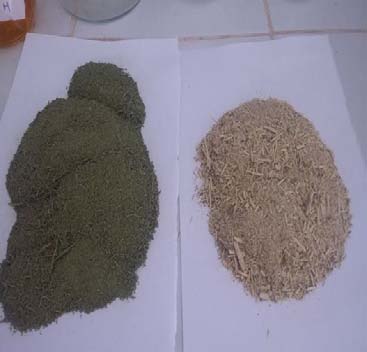
The leaves are often punctuated by tiny holes corresponding to funnels at the bottom of which are placed stomata and by where exudes a mucus containing salt and limestone. The roots are in general very developed; their wood contains vessels to large gauge. The flowers are grouped in cylindrical kittens that among some species of genus Tamarisk [5]. We know sixty species of Tamarisk capita especially the Mediterranean countries and the South Asia, in dry regions in particular. This kind plays an important role in North Africa and the northern Sahara, where It account about a dozen species of which two are particularly prevalent: T. articulata and T. gallica, designated in Arabic respectively under the names of "Thlaia" (more. "Ethel") and "Fersig" (more "The A?rich") [6]. The aim of this work is the identification of the various families of secondary metabolites exist in the aerial part of the species of Tamarix gallica following the protocols mentioned below, either by: ? Maceration by using:
1) The diluted hydrochloric acid (5 %) for the identification of flavonoids. 2) Ethanol (70%) for the identification of steroids and sterols unsaturated. 3) Distilled water for the identification of cardenolides.
? Exhaustion by heating by using: 1) Distilled water for the identification of saponosides.
2) Distilled water for the identification of tannins.
3) The chloroform for the identity of the sterols and unsaturated of terpenes. Chemicals: Turnings of magnesium, acetic acid glacial, sulfuric acid, ammonium hydroxide(smoked), chloroform, and ethanol, hydrochloric acid, chloride of iron, methanol, iso-amylic alcohol. Distilled water.
2. Highlighting of flavonoids (free, glycosides and heterosides)
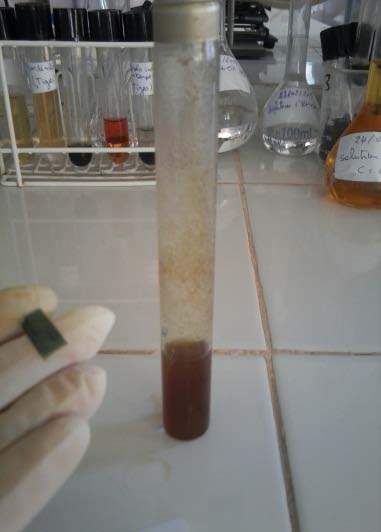
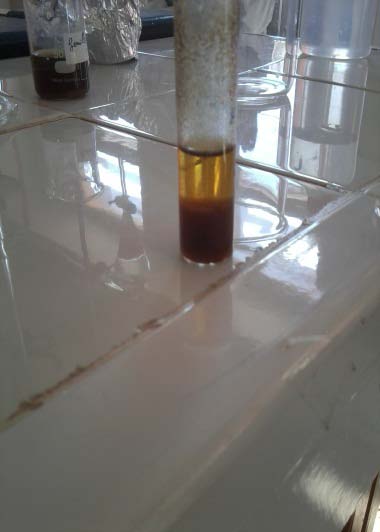
The macerate obtained after 48 hours, from a mixture of 10g of plant material and 75 ml HCl (5 %) is filtered. ? Has 10 ml of the filtrate, add 5 ml of alcohol iso-Amylic, the appearance of the color indicates the presence of flavonoids free. ? In the presence of tannins catechiques, it will form a red precipitate soluble in alcohol iso-amylic [10].
3. III. Results and Discussion
Table 1: Phytochemical constituents of Tamarisk gallica.
4. Aerial part
The
5. IV. Conclusion
In view of all these severalresults of phytochemical screening associated with these compounds found in the aerial part of Tamarix gallicaextract, we recommend further research on this shrub leaves to quantify the concentration of these bioactive compounds per known amount for industrial use. We believe these bioactive compounds in Tamarix gallica aerial part shown us could be helpful for pharmaceutical industry and medicinal sciences utilization.
6. V. Acknowledgments
This research work would not have been possible without the support of many people. The author wishes to express her gratitude to her supervisor, with her assistant who was abundantly helpful and offered invaluable assistance, support and guidance. Special thank also to Faculty of Exact Sciences Laboratory of Tahri Mohammed university bechar, Algeria No. 08000.
![[2]. For our part, we have chosen to study the Saharan species Tamarisk gallica is part of the family Tamaricaceae, account approximately 50 to 60 species of shrubs to flower in the Tamaricaceae family.](https://medicalresearchjournal.org/index.php/GJMR/article/download/1274/version/100745/1-Phytochemical-and-Ethnobotanical_html/12497/image-2.png)