1. Introduction
dvanced technology has made it possible to achieve various daily tasks without excessive energy expenditure. People's physical activity (PA) has thus tremendously decreased. A sedentary lifestyle is now widespread in developed and, is on the rise in middle-income countries particularly among women 1 . Sedentary lifestyle increases by 20 to 30% the risk of all causes mortality. Every year, about 3.2 million persons die because of the lack of PA 2 and the cardiovascular risk linked to physical inactivity appears to be as high as that associated with major traditional risk factors 3 .
Although the mechanisms underlying the benefit of PA are not fully understood, it was reported to correlate with the intensity and duration of the effort 4 and could be dependent on predominance of the isotonic or isometric type of exercise. Regular PA reduces the risk of chronic diseases, including cardiovascular disease 1 , improves endothelial and platelet function and decreases insulin resistance. It corrects high blood pressure and lipid profile, increasing the level of HDL, lowering that of total and LDL-cholesterol 5 . PA slows the progression of atherosclerotic lesions. It diminishes the visceral fat mass in adults and the body mass index 6 and reduces the inflammatory phenomenon.
In the Democratic Republic of the Congo, a low level of PA was associated with a remarkable excess weight among diabetic patients 7 . On the other hand, in a semi-rural environment, one study reported a lower risk of pregnancy-induced hypertension among very active women with a diet rich in vegetables 8 . However, to the best of our knowledge, no exploration of the relationship between PA and lipid profile has been performed in the Congolese population. Partly because of the epidemiological transition following globalization, lifestyle and diet changes, the prevalence of intermediate cardiovascular risk factors such as overweight 9,10 , high blood pressure 9,10 , and diabetes mellitus 7,10 has increased, especially among urban dwellers. Therefore, in the framework of the VITARAA (Visite de la Tension Artérielle et du Risque Associéen Afrique) study, we evaluated the level of PA in a Congolese urban community and explored its A relationship with plasma lipids and other cardiovascular risk factors.
2. II.
3. Methods
The VITARAA study 10 enrolled a random sample of 1292 persons aged 20 years and over, 731 women (56.6%) and 561 males (43.4%) selected in the city of Kinshasa. From July 2007 to March 2008 trained interviewers visited chosen households between 6.0 and 9.0 pm. Participants were instructed to refrain from consuming coffee, alcohol, and tobacco the day the visit was scheduled. Interviewers collected sociodemographic data (age, gender) and information on PA and weekly frequency of vegetables, fruits, alcohol and/or tobacco consumption, medical history and current medication for chronic diseases. Body height, waist circumference, and weight with the subjects barefooted on loose clothing were measured. The body mass index was the ratio of weight (Kilograms) to the square of height (meters). After relaxation for at least five minutes, while sitting, two measurements of blood pressure and heart rate were performed using an electronic device (OMRON M6, HEM 7001E). A third record was required if the first two differed by at least ten mmHg. We used the average of these measurements in the analysis. Blood pressure monitors were recalibrated each month to a mercury device and a gap of 4 mmHg or more to disqualify the use. A 10 ml sample of venous blood was taken and immediately centrifuged. The collected plasma was stored at the temperature of -70 °C and later transferred to Belgium for lipid analysis (Erasmus Hospital, ULB, Brussels, Belgium).
Hypercholesterolemia was defined as a total cholesterol level >190 mg/dl, arterial hypertension as a systolic pressure ?140 mmHg and/or diastolic pressure ?90 mmHg or a history of taking antihypertensive medications 11 . A body mass index ?25 kg/m 2 defined overweight/obesity 12 . A waist circumference ?94 cm in men or ?80 cm in women defined abdominal obesity 13 . Diabetes was a self-reported condition with or without current antidiabetic treatment 14 . We considered PA as:
? Low when the subject reported no or very weak and irregular activity; ? Moderate in participants with vigorous PA, capable of accelerating heart rate, but less than 30 minutes a day, less than three days a week; ? High in those whose the vigorous physical exertion lasted at least 30 minutes a day, three days or more per week.
4. a) Statistical analyses
The construction of the database and the statistical analyses were performed using SAS Software System, version 9.3 for Windows (SAS Institute, Cary, NC). We report the data as means ± standard deviations or frequencies and percentages. The analysis of variance with Scheffé posthoc test for multiple comparisons showed significant age difference between the various PA categories. We therefore expressed continuous variables as age-adjusted averages and 95% confidence intervals through analysis of covariance using the GLM procedure, and categorical variables as age-adjusted prevalence and 95% confidence intervals through logistic regression using the Genmod procedure. We modeled the odds of hypercholesterolemia in a multiple logistic regression analysis. The covariables considered in this model were gender, age, heart rate, overweight/obesity, abdominal obesity, diabetes, hypertension, and PA (coded 1 for high level, 0 for the other two levels).
5. III.
6. Results
7. a) Level of physical activity
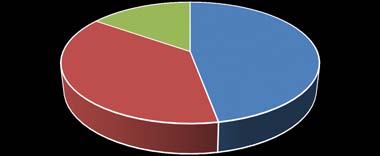
The proportions of participants by level of PA appear in Figure 1 for all participants and separately for each sex. Low PA level was reported by 645 participants (49.9%), moderate level by 438 (33.9%), and high level by 209 (16.2%). The respective proportions were 59.5%, 32.8% and 7.7% in women, and 37.4%, 35.3% and 27.3% in men. High PA predominated among men than women (p ? 0.0001). The participants' age (37 ± 15 years) was similar in both sexes and averaged 39 ± 16 years, 37 ± 14 years and 33 ± 13 years, among low, moderate, and high PA subjects, respectively (F = 14.96; p ? 0.0001). The proportion of participants with low PA increased with age, from 47% in youths (20-29 years) to 63.5% in participants ? 60 years; the respective proportions were 57.4% to 70.3% among women, 35.2% to 53.9% among men (Table 1). By contrast, within the same age groups, the overall proportion of participants with high PA decreased from 20.8% to 5.6%; it declined from 8.8% to 0% among women, from 34.4% to 13.5% among men. The prevalence of moderate PA did not vary significantly.
8. b) Characteristics of participants by level of physical activity
Body mass index, waist circumference, and heart rate significantly decreased with increasing level of PA with no significant change in blood pressure (Table 2). The prevalence of overweight / obesity, central obesity and hypercholesterolemia decreased significantly from low to high level of PA; the prevalence of arterial hypertension and diabetes mellitus was not significantly different in the three PA categories.
9. c) Plasma lipids, cardiovascular risk factors, and physical activity
Total and LDL-cholesterol decreased significantly from the low to the high level of PA (Table 3); average HDL-cholesterol and triglycerides were not different across PA categories. A separate analysis in women and men showed similar trends that were significant only in men for total cholesterol and LDL-cholesterol. For the whole study population the difference in plasma lipids between the low and the high level of PA (Table 3) was significant for total cholesterol (-7.7 [95% CI: -12.1;-3.1%) and LDL cholesterol (-11.2 [-14.4, -9.0] %). In men the difference was significant for total cholesterol (-8.0 [-8.3; -7.1] %), LDL cholesterol (-12.3 [-14.0, -11.6] %) and triglycerides (-4.5 [-5.1; -3.4]%); in women the only difference concerned LDL cholesterol (-6.5 [-13.5, -0.9]%). Between low and high levels of PA (Table 4), a significant difference was observed in the prevalence of overweight/obesity, central obesity, and hypercholesterolemia for the whole study population. There were no significant difference in women but in men for hypercholesterolemia and arterial hypertension. The difference between low and moderate levels of PA was only significant for hypercholesterolemia (-9.3 [-16.6; -2.1] %) and was also seen in men (-12.5 [-22.3; -1.9] %) but not in women taken separately. Finally, in the logistic model (Table 5), the probability of observing hypercholesterolemia increased with age (OR for +5 years, 1.12 [95% CI: 1.06; 1.18]; p< 0.0001), central obesity (present vs. absent, 2.01 [1.40; 2.88]; p = 0.0001) and decreased with high level of physical activity (0.72 [0.56; 0.93]; p = 0.013).
10. IV.
11. Discussion
Participants aged ? 20 years enrolled in the VITARAA Study were allocated using a questionnaire to either low, moderate, or high category of PA. We assessed the relationships of these levels of PA to lipid profile, cardiovascular risk factors, and determinants of hypercholesterolemia. Our results indicate a high proportion of participants with low or moderate PA, especially among women. In both genders, the rate of active people considerably decreases with age. Participants with high level of PA exhibit a favorable lipid profile with low obesity indices, and sympathetic tone. Aging and abdominal obesity increase the likelihood of hypercholesterolemia that PA significantly decreases.
Almost half of the participants reported low physical activity and more than one third just a moderate one. Only 16% of adults had a higher level of PA. These observations are in agreement with a survey in 8000 Internet users which found 72% of the French people had no regular PA with 44% never practicing and 28% practicing from time to time; only 28% of the participants recognized a constant practice of PA. 15 Similarly, a study by the Scientific Institute of Public Health concluded that four out of ten Belgians aged ?15 years had low PA. 16 A work on people's level of PA estimated that about one-third of the world's population had currently a low level of PA 17 . The prevalence of sedentary life varied from 17% in South Asia to 43% in the Americas and the Eastern Mediterranean 17 . This increase in physical inactivity is a relatively recent phenomenon that has accompanied industrial revolution and automatic technologies the advances of which have lessened energy expenditure during daily activities.
Because the categorization of PA in the present study as in many other is self-reported, one cannot ascertain to what extent some individuals, mainly women were misclassified due to incorrect interpretation of the questionnaire administered to establish its level. While responding, participants could have confounded the terms PA and sport which are often mixed in mind and the everyday language. Individuals practice more PA than sport. They could have omitted to take into account the one that is performed daily in the natural way. In the African context of limited education, this may partly account for the predominance of women among people with poor PA; women would not have capitalized the PA linked to various everyday tasks. Nevertheless, the already mentioned French 15 , Belgian 16 , and other surveys 2 have also pinpointed the preponderance of sedentary life among women. According to a US study, women in 2010 have devoted 11 to 14 hours per week to a PA, but six to seven more hours to surf the web or watch television 18 . Not only practicing sport is a culture that women do not have in the Congo but also unavailability of appropriate structures for women's leisure could partly explain their low level of PA in our setting.
The decrease with age in the proportion of subjects with high PA agrees with other studies 19.20 . The younger the people, the less sedentary they are. Hallal et al. have also observed an increase in physical inactivity with age 17 which can be accounted for by various factors. With age, impaired physical ability can result from ventricular remodeling, reduced lung capacity, decreased fast muscle fibers (or Type II fibers required during intense and rapid exercise), a decrease in bone mineral density, and chronic degenerative arthropathies. A sedentary lifestyle also leads to physical deconditioning to exercise. The person gets used to making daily efforts that alters his functional abilities creating a vicious circle. Finally, in our setting, the elderly subjects are often preserved from most kinds of vigorous PA.
The average plasma lipids levels lied within the values usually reported for sub-Saharan African populations. The rates were somewhat higher among women whose both the prevalence of obesity and the proportion of physically inactive subjects were high. Inactive subjects had higher total cholesterol and LDL cholesterol levels than participants in the moderate or high category of PA. The rate of subjects with abnormal lipids levels was less among participants with a high than among those with a low level of PA as illustrated by the lipid pattern among males compared to women in the present work. HDL-cholesterol level was significantly higher whilst the rate of triglycerides lower when the reported level of PA was high. Aadahl et al., in a five years longitudinal follow-up survey observed an improvement in HDL-cholesterol only in the male subjects 21 . Moreover, according to the Tromso Study 22 where 5220 male and 5869 female Norwegian aged 20 to 49, were monitored for 17 years, a dose-dependent inverse relationship was observed between the level of PA, lipid parameters, and body mass index. Men with a high level of PA had 9% and 28% lower cholesterol and triglycerides levels compared to the sedentary group, and a 12% higher HDL-cholesterol. The individuals who were initially sedentary, and whose PA increased over the 17 years of follow-up improved their lipid profile. Conversely, a worsening in lipid profile occurred in people who initially had a leisure activity and who Sanchez found a 3.7% decrease in triglyceride levels, a 5% LDL cholesterol and a 4.6% HDL-cholesterol increase during PA 23 . In the present study, in comparison to the low level of physical activity, total and LDL-cholesterol, and triglycerides were respectively 8%, 12.3%, and 4.5% lower in males with high PA levels; HDL-cholesterol was 4.8% higher.
The mechanisms underlying PA-induced plasma lipid changes are not fully understood. 24 Physical exercise appears to improve skeletal muscle ability to use lipids rather than glycogen, thereby reducing plasma lipid levels 24,25 . Increase in lecithincholesterol-acyl-transferase (LCAT), the enzyme responsible for esters transfer to HDL-cholesterol 26 the rate of which rises as a result of a physical training program has been invoked 27 . The role of Lipoprotein lipase is controversial 28 . Lipid changes may depend on the involved energy costs. Ferguson et al. 29 stated that energy expenditure of 1,100 kcal was required to achieve elevation in HDL-cholesterol corresponding to a significant increase in lipoprotein lipase activity. The clearance process of cholesterol is known as "reverse cholesterol transport." After acute and chronic exercise, this process removes cholesterol from the circulation as the result of an increase in lecithin-cholesterol acyl transferase coupled with a reduction in cholesterol ester transfer protein (CETP), the enzyme responsible for transferring HDL cholesterol to other lipoproteins. Such an increase in enzyme activity enhances the ability of muscle fibers to oxidize plasma VLDL-cholesterol or triglycerides derived fatty acids.
The present work shows an inverse association between PA, the rate of overweight/obesity and centraltype obesity, and sympathetic tone as evidenced by a slow heart rate. The prevalence of hypercholesterolemia increased with aging, overweight and, especially, abdominal obesity, and decreased with higher PA. Studies have shown a dose-response relationship between the level of PA and the rate of obesity, in particular, abdominal obesity 32,33 . Regular and prolonged PA increases muscle mass thus activating the consumption of energy substrates. It modifies the body fat distribution by decreasing visceral adipose tissue. To this regard, the present study provides further confirmation of the direct relationship between the intensity of PA, abdominal obesity, and hypercholesterolemia. Indeed, the lower rates of these risk factors, were only significant in male gender with a prevalence of hypertension and diabetes mellitus did not significantly differ across the various levels of PA. However, in men considered separately, the proportion of participants with hypertension was elevated among those with higher levels of PA. This observation contrasts with the results of a meta-analysis of intervention studies by Fagard et al. 34 showing a significant decrease in blood pressure for repeated exercise 3 to 5 times a week, for 30 to 60 min /day. The reasons for this discrepancy are not certain. One could invoke reverse epidemiology, the possibility of known hypertensive patients having adhered recently to the PA program as a non-pharmacological therapeutic measure. The cross-sectional nature of the present study precludes any decision without access to participants' previous blood pressure measurements. In agreement with the literature, high PA was associated with a low prevalence of metabolic syndrome presumeably by improving tissue sensitivity to insulin and reducing insulin resistance through melting visceral fat 35,36 .
Obvious limitations must be taken into account while interpreting the results of the present work. The intensity of PA attributed to participants was based solely on their responses to a questionnaire and may not accurately reflect their actual PA. Indeed, an incorrect interpretation of the research instrument singularly by women may have prevented them from capitalizing on the activity related to many of their daily tasks. However, the concordance between reported levels of PA, obesity indices and heart rate, is nonetheless an element of reliability. The blood pressure in our study is an average of only two measurements taken during an isolated visit to the participants' home. It may not reflect their usual blood pressure. Also, the cross-sectional nature of the survey does not provide a plausible explanation for the observation of increased blood pressure in the presence of a high level of PA. This analysis did not specify what type of physical exercise was predominant among the participants as the impact on blood pressure may depend on whether endurance or strength physical exercise was participants have had assigned level of PA is not available. Finally, it is not clear to what extent the results of this study can be reliably extrapolated to other Congolese or African populations.
Nonetheless, our results draw some lines of recommendations for the secondary or even primary prevention of cardiometabolic pathologies in sub-Saharan Africa where these conditions have taken an epidemic run. The lipids measurements were obtained in 786 participants (428 females and 358 men). $ = significant difference in comparison to low physical activity; £= significant difference in comparison to high physical activity. The difference is between low and moderate to intense physical activity.
| Age, | All | Women | Men | ||||||
| years | I | II | III | I | II | III | I | II | III |
| 20-29 | 251 (47%) | 172 (32.2%) | 111 (20.8%) | 163 (57.4%) | 96 (33.8%) | 25 (8.8%) | 88 (35.2%) | 76 (30.4%) | 86 (34.4%) |
| 30-39 | 146 (48.3%) | 109 (36.1%) | 47 (15%) | 101 (57.1%) | 63 (35.6%) | 13 (7.3%) | 45 (36%) | 46 (36.8%) | 34 (27.2%) |
| 40-49 | 85 (47.5%) | 67 (37.4%) | 27 (15.1%) | 62 (57.9%) | 34 (31.8%) | 11 (10.3%) | 23 (31.9%) | 33 (45.8%) | 16 (22.2%) |
| 50-59 | 83 (55%) | 51 (33.8%) | 17 (11.3%) | 57 (64%) | 25 (28.1%) | 7 (7.9%) | 26 (41.9%) | 26 (41.9%) | 10 (16.1%) |
| ?60 | 80 (63.5%) | 39 (31%) | 7 (5.6%) | 52 (70.3%) | 22 (29.7%) | 0 (0.0%) | 28 (53.9%) | 17 (32.7%) | 7 (13.5%) |
| X²= 49.119; P ? 0.0001 | X 2 = 14.855; P= 0.1374 | X 2 = 33.212; P= 0.0003 | |||||||
| I = Low physical activity; II= Moderate physical activity; III= High physical activity. | |||||||||
| Characteristics | Low | Level of physical activity Moderate | High | F | P |
| Age, years | 39 ± 16 | 37 ± 14 | 33 ± 13 | 14.96 | ? 0.0001 |
| Age adjusted mean (95% confidence intervals) | |||||
| Body mass index, kg/m 2 | 25.6 (25.2-26.1) | 25.1 (24.6-25.6) | 24.5 (23.7-25.2) $ | 38.97 | <0.0001 |
| Waist, cm | 86 (85-87) | 85 (83-86) | 84 (82-85) | 75.13 | <0.0001 |
| Systolic blood pressure, mmHg | 126 (120-129) | 126 (124-128) | 127 (120-133) | 4.077 | 0.078 |
| Diastolic blood pressure, mmHg | 82(78-86) | 82 (79-88) | 82 (76-87) | 2.77 | 0.0891 |
| Heat rate, beats/min | 79 (78-80) | 78 (77-80) | 74 (72-76) | 10.41 | <0.0001 |
| Age adjusted prevalence and 95% confidence interval of characteristic | |||||
| Hypertension | 30.7 (27.3-34.2) | 30.6 (26.7-34.5) | 35.9 (30.2-41.6) | 0.1348 | |
| Diabetes | 4.9 (3.2-6.5) | 3.7 (1.8-5.6) | 4.1 (1.4-6.9) | 0.6467 | |
| Overweight/obesity | 46 (42-50) | 42.1 (37.7-46.5) | 35.1 (28.6-41.5) $ | 0.0046 | |
| Central obesity | 34.8 (31.2-38.4) | 27.2 (23.2-31.3) $£ | 19.2 (13.3-25.1) $ | <0.0001 | |
| The lipids measurements were obtained in 786 participants (428 females and 358 men). $ = significant difference in | |||||
| comparison to low physical activity; £= significant difference in comparison to high physical activity. | |||||
| Characteristics | Low | Categories of physical activity Moderate | High | F | P | ||
| Age, years | 39 ± 16 | 37 ± 14 | 33 ± 13 | 14.96 | ? 0.0001 | ||
| Age adjusted mean and 95% confidence intervals | |||||||
| Glycémie, mg/dl | 111 (107-116) | 106 (101-111) | 109 (101-116) | 11.28 | <0.0001 | ||
| Total cholesterol total, mg/dl | 177 (173-182) | 168 (164-173) $ | 164 (156-171) $ | 21.04 | <0,0001 | ||
| HDL-cholesterol, mg/dl | 45 (43-46) | 44 (42-45) | 44 (42-47) | 1.65 | 0.1774 | ||
| LDL-cholesterol, mg/dl | 107 (104-111) | 101 (97-105) $£ | 95 (89-101) $ | 14.2 | <0.0001 | ||
| Triglycerides, mg/dl | 126 (117-134) | 125 (116-135) | 127 (113-141) | 1.31 | 0.2351 | ||
| Difference (%) and 95% confidence intervals between insufficient and moderate to intense physical activity | |||||||
| All subjects | Women | Men | |||||
| Total cholesterol | -7.7 (-12.1; -3.1) | -4.5 (-10.4; 0.0) | -8.0 (-8.3; -7.1) | ||||
| HDL-cholesterol | 2.2 (-2.3; 2.2) | 0.0 (-6.8; 8.5) | 4.8 (2.5; 6.7) | ||||
| LDL-cholesterol | -11.2 (-14. | ||||||
| Cardiovascular risk factors | All | Women | Men |
| Mean (%) and 95% confidence intervals of the difference in | |||
| Overweight/Obesity | -10.0 (-17.3 ; -2.6) | 2.1 (-11.2 ; 11.2) | -8.6 (-18.5 ; 1.2) |
| Central obesity | -14.2 (-21 ; -7.4) | -3.2 (-16.2 ; -9.8) | -1.4 (-7.7 ; 4.5) |
| Hypercholesterolemia | -17 (-26.2 ; -7.9) | -8.1 (-25.2 ; 9.0) | -15.9 (-27.0 ; -4.7) |
| Diabetes mellitus | -0.8 (-4.0 ; 2.5) | 1.2 (-4.6 ; 7.0) | -1.7 (-6.2 ; 2.6) |
| 10.3 ; 19.5) | |||
| Variable | Odds ratio | 95% CI | P |
| Age | 1.02 | 1.01 -1.03 | <0.0001 |
| Central obesity | 2.01 | 1.40 -2.88 | 0.0001 |
| Physical activity | 0.72 | 0.56 -0.93 | 0.0132 |