1.
Abstract-The role of morphine in regulating the mu-opioid receptor (MOR-1) relative to pain is well-established. Efforts are ongoing to elucidate the pharmacological significance of newly identified MOR-1 alternative splice variants. Aberrant splicing events have been implicated in a growing number of diseases, including cancer, but it is uncertain whether any pharmacological benefit may be derived from the use of these variants. Chronic use of opioids yields tolerance, withdrawal, and potentially fatal addiction. With current interests so high on developing marijuana as a marketable drug, there is concern whether its introduction as a mainstay may interfere with pain medications, such as opioids, for which there is a growing concern of epidemic proportions. We, therefore, hypothesized that the introduction of traditional herbal medicines while taking morphine would interfere with normal pain receptor functions. We tested this hypothesis by chronically (48hrs) exposing human neuroblastoma (SH-SY5Y) cells to a pain medication (morphine) followed by a natural herb, and measuring its effect on the expression of MOR-1 alternatively-spliced variants. (RA)-differentiated human neuroblastoma (SH-SY5Y) cells treated with morphine ( The results of this pilot study confirm our hypothesis that MOR-1 splice variants are differentially regulated following chronic exposure to morphine and Ficus carica. Further examination of the relationship between morphine and herbs used in traditional medicine may enhance our understanding of the mechanistic basis of morphine tolerance and may give clues concerning the therapeutic benefit of using Ficus carica I. Introduction he human nervous system is composed of a complex and highly organized network of excitable tissues, neurons, and their receptors, effectors, interneurons, neurotransmitters, hormones, and a host of structures through which to orchestrate anatomic homeostasis, in tandem with the endocrine system. The neuron is the central functional unit of the nervous system tasked with synchronizing action potentials that govern sensory, integrative, and motor functions. This small but rapid and highly efficient communication system regulates processes of learning and memory, sensations (e.g., pain, thermal, tactile, proprioceptive), perception, analgesia, differentiation, development, emotional responses, emotional behaviors, wakefulness and sleep (Tortora & Grabowski, 2003;Massirer et al., 2010). An extensive annual review (not elaborated here) covering the endogenous opioid system reflects its diverse contributions to matters concerning: "behavior, pain, and analgesia; stress and social status; tolerance and dependence; learning and memory; eating and drinking; alcohol and drugs of abuse; sexual activity and hormones; pregnancy; development and endocrinology; mental illness and mood; seizures and neurologic disorders; electrical-related activity, neurophysiology and transmitter release; general activity and locomotion; gastrointestinal, renal, and hepatic function; cardiovascular responses; respiration and thermoregulation; [and] immunological responses" (Bodnar & Klein, 2006). The activities of each body system are regulated through action potentials generated by the neuron. Extensive alternative splicing in the nervous system is, therefore, likely to play a role in many of these physiological processes and conditions (Grabowski & Black, 2001). The endogenous opioid system, which is resident within the mammalian nervous system, plays a significant role in a variety of physiological processes within the mammalian body. The nervous system is naturally resilient. It does not easily succumb to toxicity or insult, instituting neuroadaptive changes and selfrecovery instead. Importantly, the nervous system has a unique integrative capacity to resolve at the molecular level problems that arise at the cellular level. Psychotropic substances of plant origin, such as morphine from the opium poppy (Papaver somniferum), mimic the action of neurotransmitter action of enkephalins, the natural ligand for this receptor. Specialized (sensory) neurons throughout the body mediate pain sensation by regulating the human muopioid receptor (MOR-1) gene (OPRM1) expression. Among natural medicines used for pain, the fig (Ficus carica) plant is commonly not listed. It more often finds prominence relative to conditions such as diabetes, hyperlipidemia, eczema, psoriasis, constipation, skin tumors and warts, and vitiligo (Jellin et al., 2009), some of which are side effects of opioids (Stephan & Parsa, 2016). Hence, it would be interesting to learn of a role for the fig plant in the mediation of pain, analgesia, and opioid receptor pharmacology.
2. Consumption of Pain Medications
Pain drugs are the second most dominant pharmaceutical class in the global market. US market. For centuries, the alkaloid-derived morphine (Figure 1) has remained the prototypical anti-nociceptive agent (WHO, 1986;Pasternak, 2001;Vanquelin & von Mentzer, 2007;Yu & Sadee, 1988;Corbett et al., 2006). Its analgesic superiority underscores the use of morphine as a preferred clinical and non-medical psychotherapeutic drug (Tremblay & Hamet, 2010). Contrary to controversial reports that the United States alone utilized eighty percent (80%) of the global supply of morphine (Manchikanti et al., 2006(Manchikanti et al., , 2010
3. Cause for Concern: Variability of Response to Drug-Disease Interactions
The observation that there exist inter-and intraindividual differences in response to prescribed or illicitly used medications reinforces the significance of modernday precision medicine (Samer et al., 2006;Rollason et al., 2008;Dorn & Cresci, 2008). Characteristically, differences in age as well as in drug interactions with cytochrome P450 metabolic enzymes have historically separated subpopulations from generalized use of medications to more patient-centered determinations of appropriate pharmacological treatments (Samer et al., 2006;Rollason et al., 2008;Finklestein, 2017;Krebs & Milani, 2019). The ongoing discussion of genetic polymorphisms continues to inform this process.
The current literature on alternative splicing (Figure 2) indicates that this posttranscriptional process is essential for life but may to contribute inter-and intraindividual variability by altering gene function (House & Lynch, 2008); switching substrate specificity (Christmas et al., 2001;Bauman et al., 2009); or causing disease (e.g., cancer) through aberrant splicing events (Faustino 2003;Buratti et al., 2006). At least ten alternativelyspliced isoforms (Figure 3) of the human mu-opioid receptor (MOR-1) gene (OPRM1) have been identified (Pasternak and Pan, 2009). Moreover, each splice variant may exhibit different agonist-induced activation, signal transduction, and protein expression patterns. Within pharmacogenomics, understanding how a person's genetic profile influences his response to a drug is a treasured clinical endeavor, in which is embedded great hope for the improvement in the medical use and administration of drugs across all ages and stages of development (Finklestein, 2017). Central to these efforts is the drug-receptor (Danhof et al., 2007;Ploeger et al., 2009).
4. Historical Receptor Theories
The receptor is the smallest pharmacological unit necessary to differentiate between drugs (Kenakin, 2004). The idea that receptors are responsible for drug effects is an evolving theory that developed between the late 19 th century and early 20 th century due to the pioneering work of several scientists. Credited for the concept of "locus of effect," Claude Bernard (1813-1878) pioneered a methodological blueprint for elucidating the specificity and selectivity of drug action (Bernard, 1856). As an offshoot of interest in finding a more rational approach for therapy, Hungarian scientist Rudolf Buchheim (1820-1879) opened the first pharmacology laboratory with the intent of measuring drug effects and their associated mechanisms of action (Hollinger, 1997). In1848, Blake framed the structureactivity relationship (SAR). He made observations to correlate the biological effects of a substance with its chemical structure, arguing that a specific component was responsible for the observed change rather than the complex as a whole. He garnered theoretical support from the later work of Arrhenius on electrolytic dissociation, and Crum Brown and Fraser who found differing physiological actions by alternating alkaloid structures. Hans Horst Meyer (1899) and Charles Ernest Overton (1901), independently described lipid solubility. Among other discoveries during this period, other scientists were discovering the high physiological specificity of opioids on smooth muscle versus smooth muscles.
The existence of receptors was first suggested in 1878 by John Newport Langley (1852-1925), followed in 1905 by him coining the term "receptive substances." Paul Ehrlich (1854-1915) specifically introduced the concept word "receptor" in his medical correspondence wherein he attributed a therapeutic effect only to an agent having "the right sort of affinity" (Ehrlich, 1923;Hollinger, 1997). Ehrlich envisioned receptors as "sidechains" that interacted with a "combining group of the protoplasmic molecule to which the introduced group is anchored" in mammalian cells (Hollinger, 1997).
As he studied the interactions between enzymes and substrates, Emil Fischer, a German chemist, and enzymologist, was the first to propose a "lock and key" relationship between a drug and its receptor. Fischer postulated that a specific similar geometric configuration of the receptor was necessary for a chemical reaction to proceed from contact between these molecules. The precise fit was required to produce the optimal response (Hollinger, 1997). This theory was consistent with existing science showing that the primary amino acid sequence of a protein determines its three-dimensional structure, and according to Christian Anfinsen, these molecules were capable of unfolding (denaturing) and folding (renaturing) to vary their conformation (Hollinger, 1997).
5. Characteristics of the Mu-opioid Receptor
The opioid receptor is a member of Class A of the superfamily of guanosine nucleotide-binding protein (G-protein)-coupled receptors (GPCRs) that constitute ~3% of the human genome. They contain a total of 7 extracellular and intracellular transmembrane (7TM) domains linked to three subunits: alpha?, beta?, and gamma?. The beta and gamma subunits are tightly linked, while the alpha subunit more freely associates or dissociates from this dimer. Ligands approach and engage the receptor from the extracellular space, and receptor activation results in coupling to heterotrimeric G-proteins on the intracellular face of the membrane. Binding and hydrolysis of guanosine triphosphate (GTP) to the ?-subunit of the G-protein activates a resting receptor and results in the dissociation of the ?? subunit from the receptor. The ?? subunit in conjunction with downstream effectors or the GTP-bound ?-subunit can trigger a plethora of downstream events. The association of guanosine diphosphate (GDP) with the ?-subunit promotes its further association with the ?? subunits, returning it to an inactive state. Opioid receptor signals are transduced by intracellular inhibitory G-proteins (G i /G 0 ), which are relatively resistant to tolerance and desensitization (Pasternak, 2001;Pan et al., 1999Pan et al., , 2001Pan et al., , 2005)).
As Alfred Joseph Clark (1885-1941) first proposed, the "receptor occupancy theory" demonstrates the interaction of a first messenger (e.g., a signal molecule such as a drug, chemical, or neurotransmitter) with its specific physiological cellular receptor (e.g., mu-opioid receptor, subtype 1 -MOR-1) to produce a measurable biological response (Limbird, 2005). The curve of a dose-response graph resembles a mathematical hyperbole. Subsequent research by Raymond P. Ahlquist (1914Ahlquist ( -1983) ) led to the discovery of unique differences between alpha-and betaadrenoceptors, and this served one catalyst for Sir James Black's (1988) Nobel winning interrogation of drugs with receptor-selective subtypes. Not too long afterward, Gilman and Rodbell won the Nobel Prize for GPCRs and receptor coupling. These monumental works have moved the field of receptor pharmacology to uncharted heights that continue to influence today's society. A summary of the general characteristics of receptors appears in Table 3.
In studies conducted by Kuhar (2010), autoradiographic localization of opiate receptors rendered these microscopic molecules as being saturable, primarily particulate-bound, and accessible in proportion to the high level of activity of opiate drugs, but seemingly unaffected by drugs not of opiate origin. Observed drug effects are a consequence of physiological responses associated with control mechanisms that permit access to the drug via the action of its physiological intermediate.
When an endogenous opioid, such as enkephalin, binds to and activates MOR-1, the ensuing conformational changes help to modulate synaptic transmission in the neuron, ultimately resulting in a cascade of intracellular signaling events that amplify the signal and produce a diverse array of pharmacological outcomes, depending on the tissue (Limbird, 2005;Benye et al., 2015). The intensity of the response to a signaling 'messenger' molecule (ligand) depends in large part on the specificity with which that ligand attaches to the receptor recognition site (binding pocket).
6. MOR-1 Alternative Splicing
Although the pharmacological and physiological attributes of morphine and its receptors have been extensively elaborated over the past three decades (Zadina et al., 1993;Pasternak, 2001 (Pasternak, 2001). Gene expression is regulated at the transcriptional level; hence, contributions by MOR-1 splice variants are of interest. There is also a dearth of information about mechanisms that account for the substantial diminution of the efficacy of morphine, which gives rise to the development of tolerance following longterm use (Yu & Sadee, 1988;Zadina et al., 1993;Taylor & Fleming, 2001;Willner et al., 2014).
Up to sixty percent of the human genome is estimated to contain alternatively-spliced gene isoforms (Lee & Irizarry, 2003). Aberrant splicing events have been implicated in a growing number of diseases, including cancer (Mercadante & Kole, 2000;Braaco & Kearney, 2003;Lee & Irizarry, 2003;Brinkman, 2004). The C-terminus of cell-surface, seven-transmembranes (7TM) receptors is home to the biggest array of splice variants, which may occur at more than one site on the receptor, adding to the complex structure of the gene (Kilpatrick et al., 1999). The opioid receptor is one example of a 7TM receptor within the guanine nucleotide-binding proteins (g-protein)-coupled receptor (GPCR) family, which transfers signals for hundreds of cellular receptors. This highly diversified family of gprotein receptors execute neurotransmission, cellular differentiation, hormonal activities, signal transduction, metabolism, and other processes (Kilpatrick et al., 1999). The pharmacological significance of newly identified mu-opioid receptor (MOR-1) alternative splice variants (Pasternak & Pan, 2004;House & Lynch, 2008) has not been characterized relative to drug response mechanisms and may inform the issue of morphine tolerance. Among the 70-90% of cancer patients requiring individualized opioid therapy for intense chronic pain, the response to prototypical opiates like morphine is highly variable, necessitating dose escalation with an increased risk of developing tolerance (WHO, 1986;Bracco and Kearsey, 2003).
Given the central role of MOR-1 in pain mediation, brain reward systems, opiate addiction and homeostasis (Cox, 1991;Trujillo & Akil, 1991;Di Chara & North, 1992;Meunier, 1992;Law & Loh, 1999;Nestler & Aghajanian, 2007), a plethora of questions exist as to the functionality of these alternatively spliced variants, selectivity of ligand binding, and the implications of these potential associations in disease and therapy (Braaco & Kearney, 2003;Lee & Irizarry, 2003;Brinkman, 2004). The functional capacity of MOR1 splice variants is unknown, and it is yet unclear whether alternativelyspliced isoforms respond to botanical products like the prototypical ligand for the mu-opioid receptor, morphine.
7. Discovery of the Medicinal Properties of Morphine
Recognition of the pharmacological properties of plants and the medicinal use of morphine date far back to ancient civilizations (e.g., Sumeria, Egypt, Ancient Greece, Roman Empire). Among modern narcotic analgesics, morphine is the oldest and remains the gold standard (prototype) that is the most widely used. Morphine is the principal active ingredient in the opium poppy (Papaver somniferum). The groundbreaking discovery of morphine as the first alkaloid isolated from naturally occurring plant species by Wilhelm Serturner, a German Pharmacist, forever changed organic chemistry, medicine, and history. Notwithstanding, morphine is also present in appreciable amounts in Theriaca, laudanum, Doveri, and paregoric (Benyhe et al., 2015). The recreational use of opium is widely (but not exclusively) practiced in the Middle East and the Far East provinces (e.g., Arabia, Turkey, Iran, India, and China), but the illicit sale and use of opium and its synthetic derivatives have since reached global proportions (Benyhe et al., 2015).
Subsequent determination of the chemical formula of morphine (Laurent, 1847), the structure of morphine (Robinson, 1925), and its industrial extraction (Kabay, 1925) have led to the total synthesis of morphine (1952)(1953)(1954)(1955)(1956) (Gates andTsudi, 1952-1956). Gulland elucidated the stereochemical structure of morphine as having a rigid phenanthrene ring system comprised of five condensed rings (A -phenolic, aromatic; B -cyclohexane; C -cyclohexanol, cyclohexene; D -N-methyl-piperidine, piperidine; and E -a partially saturated furan ring, tetrahydrofuran) (Gulland and Robinson, 1925). The phenolic makeup of the A-ring makes it a weak acid (Lemke, 2003). Primary and secondary alcohol (-OH) group substitutions at the A-ring C3 and the D-ring C6 positions, respectively, confer chemical reactivity on the molecule. Morphine has five chiral centers at carbon-5 (C5), C6 C9, C13, and C14 positions. The piperidine constituency of the D ring renders morphine the classification of a weak base (Benyhe et al., 2015). By this latter classification, morphine "does not readily donate its electrons and forms an unstable ammonium ion that dissociates readily with a large dissociation constant (K a ), and thus has a small pK a " (Lemke, 2003).
8. Brief History of the Fig Plant
The
9. Herb-Disease Interactions
The therapeutic efficacy of Ficus carica has also not been demonstrated; neither is it established as having potential drug-herb interactions with narcotic drugs or nutrients (Jellin et al., 2009) Studies assessing the ?-tocopherol, flavonoid, and phenol contents relative to the antioxidant activity of fig leaves have established the antioxidant capacity of Ficus carica leaf extracts and raised hopes for the role of ?-tocopherol in clarifying its mechanism of action (Konyahoglu et al., 2005). Phytosterols have, in part, been credited for the hypocholesterolemic effect observed in Mission fig (Jeong & Lachance, 2001). In Ghana, the Ficus plant is a popular galactagogue (Bekoe et al., 2018). Also, the nutritive value of the high dietary fiber and high mineral content of figs is superior to many other fruits. There is an established high correlation between total polyphenols, or total anthocyanins, and the antioxidant capacity
10. Herb-Drug Interactions
Individual Ficus carica cultivars reportedly vary in the antioxidant capacity (Crisosto et , 1997, 2001, 2005, 2011) is important. Comparatively, opportunities to remove nutritional deficiencies through supplemental use of Ficus carica may become necessary. These attributes support the assumption that the leaves may also possess a high nutritional and medicinal value that warrants further exploration. Nine cultivars grown in the United States were selected for further interrogation in the present research (Table 1).
11. PCR Comes of Age
One celebrated outcome of the Human Genome Project is its propulsion of the field of molecular genomics into the research spotlight. Innovations in molecular biology and pharmacogenomics, as well as technological advances in quantitative real-time polymerase chain reaction (qRT-PCR), have led to the identification of several new human mu-opioid receptor (MOR-1) splice variants that to date have not been fully characterized (Saiki et al., 1985(Saiki et al., , 1988;;Watson, 1990;Olson, 1993;Collins et al., 1998;Pollock, 2002). The polymerase chain reaction (PCR) is a sensitive technology which was discovered by Kary Mullis in 1983 for the original purpose of improving DNA quantification (Mullis et al., 1986;Bartlett & Starling, 2003). However, PCR has also led to our improved knowledge of biological processes such as RNA transcription, cellular growth, and proliferation, differentiation, development Advances in PCR technology have advanced the field of gene expression analysis for over twenty-five years, namely: the introduction of real-time PCR (Williams, 2009), discovery of reverse transcription (Baltimore, 1970;Temlin & Mizutani, 1970); qRT-PCR and the emergence of sophisticated instrumentation to detect vanishingly small quantities of nucleic acids (Saiki et al., 1985(Saiki et al., , 1988 PCR capitalizes on the well-established significance of DNA in living cells following elucidation of the genetic code (Watson & Crick, 1953) as well as the central dogma of molecular biology which posits that the uni-directional flow of genetic information is from DNA to RNA, via transcription, and from mRNA (the product of transcription) to protein, via translation (Crick, 1958). Transcription is the first and rate-limiting step in the process of gene expression. The term 'gene expression' is synonymous with 'messenger ribonucleic acid (mRNA) levels.' Quantitative real-time polymerase chain reaction precisely and reliably measures gene expression levels of specific nucleic acid sequences (Kaltenboeck & Wang, 2005;Bustin, 2000Bustin, , 2010;;Bustin & Nolan, 2004;Bustin et al., 2005). Close examination of emerging patterns of gene expression can provide insight into physiological responses to cellular stressors or signals, or whether the genes are functionally related (Pollock, 2002). The evident superiority of qRT-PCR surpasses older technologies (e.g., Northern blot, RNase protection assays) and affirms its designation as the "gold standard" or method-of-choice for analyzing gene expression of modest numbers of genes (Nedelman, 1992).
The biological significance of qRT-PCR to modern biology and biomedical sciences is irrefutable. In the aftermath of discoveries made in the Human Genome Project, scientists have begun to explore more intensely the molecular underpinnings of sickness, chronic disease, and drug interactions in the body (Snider et al., 2001;Bernard & Wittwer, 2002;Pollock, 2002;Kaltenboeck & Wang, 2005). Answers to elusive medical conditions, such as cancer and drug tolerance, can be elucidated at the molecular level to shed greater insight into the nature of these conditions as well as the mechanisms by which they occur (Braaco & Kearney, 2003;Brinkman, 2004;Kaltenboeck & Wang, 2005). The use of this generalized PCR equipment to characterize the plant genome is not new. The efficiency of quantitative real-time PCR in detecting posttranscriptional changes in human cells induced by natural plant products gives way to future consideration of the mechanistic actions of plant extracts, as well as drug-herb interactions. The enhanced capacity for comparative analysis of critical neurological systems, such as the opioid system, using this technology, as well as the potential discovery of relevant interventions to eliminate the cause of chronic diseases, gives hope for the future of medicine.
12. Using Ancient Medicinal Herbs to Counteract an Age-Old Enigma
With the recent advances of receptor polymorphisms and gene splicing, several variant forms of MOR-1 have recently been identified. Through the use of polymerase chain reaction (PCR) technology, the fields of molecular genetics and pharmacology have begun to converge and so enable a deeper understanding of the mechanistic basis of opioid-related diseases, like opioid dependence, addiction, and withdrawal, which are chronic outcomes of morphine tolerance.
The present study examined the prototypic effects of morphine on MOR-1 variant mRNA expression compared that of fig (Ficus carica) leaf extract. The objective of this study was to employ advanced molecular genetics techniques, including real-time qRT-PCR, to assess the ability of fig leaf extract, in the presence or absence of morphine, to interact with MOR-1 receptor alternatively-spliced variants (ASVs) and to modify its transcriptional machinery, a rate-limiting step in MOR-1 protein synthesis and functionality of the muopioid receptor (OPRM1).
13. II. Materials and Methods
14. a) General Chemical Reagents and Pharmacologic
Agents Isopropanol, chloroform, morphine, distilled water, and consumable supplies were supplied by Sigma-Aldrich (St. Louis, MO, USA). Absolute ethanol (100%) was obtained in-house.
15. i. qRT-PCR Chemicals
The DNAse treatment and removal kit were purchased from Ambion (Foster City, CA, USA). iQ? SYBR Green Supermix and iScript cDNA Synthesis System were ordered from Bio-Rad Laboratories (Hercules, CA).
ii. 1).
16. b) Methods
17. i. Human Neuroblastoma (SH-SY5Y) Cell Line
Human neuroblastoma (SH-SY5Y) cells are epithelial cells that were derived from the bone marrow of a metastasized tumor originating in the brain of a 4year old girl. SH-SY5Y cells are stable neuroblasts that were thrice-cloned from the original SK-N-SH cell line (Ross et al., 1983). The expression of mu-opioid receptors in SK-N-SH cells was determined to be five times higher than that of delta-opioid receptors (Yu et al., 1986), which is reproduced in SH-SY5Y subclones (Yu et al., 1986). SH-SY5Y cells are a reproducible cell model for studying the biochemical correlates of opiate efficacy and tolerance (Yu and Sadee, 1988). Additionally, SH-SY5Y cells can express several distinct phenotypes, including immature neuroblast forms that differentiate into mature neurons (Ross et For centuries, morphine has been utilized as the prototypical analgesic drug in the treatment of chronic and intractable pain. Morphine exerts its pain-relieving effects primarily through the mu-opioid receptor (MOR-1). Moreover, ancient civilizations have used the fig (Ficus carica L.) plant for wound healing, digestive clearance, and as a hypolipidemic agent in diabetes. Since morphine induces constipation and hyperglycemia, we hypothesized that fig leaf extract could attenuate or abrogate these adrenergic effects of morphine, as well as its central effects.
following treatment with retinoic acid (RA) (Pahlman et al., 1984). It is advantageous to use an in vitro model of specialized nervous system cells (i.e., neurons) in this study because isolation of the effects of chemicals at the molecular level is complicated by the heterogeneity of in vivo nervous system networks within tissues.
ii. Cell Culture Human neuroblastoma (SH-SY5Y) cells (ATCC, Bethesda, MD) were maintained under sterile conditions in Dulbecco's Modified Eagle's Medium (DMEM)/Ham's F-12 (1:1) (Gibco Laboratories, Grand Island, NY) supplemented with 10% fetal bovine serum (FBS) and penicillin/streptomycin (Sigma, St. Louis, MO). The cells were stored in a humidified incubator at 37°C and 5% CO 2 . Cells were grown to 70-80% confluence (15 x 10 6 cells) before differentiation with retinoic acid (RA).
18. RA Differentiation of SH-SY5Y Cells
Human neuroblastoma SH-SY5Y cells were the first neuronally-derived cell line suitable for studying chronic opiate (morphine) effects (Zadina et al., 1993). Two unique properties of SH-SY5Y cells that auger well for their use in opioid research are their constitutive expression of the mu opiate receptor in measurable quantities (Toll, 1990;Bare et al., 1994;Edsjo et al., 2007) and the rare ability of this cell line to be induced to express the neuronal phenotype by addition of retinoic acid (Sidell 1982;Sidell et al., 1983;Zadina et al., 1993;Yu and Sadeee, 1988;Borner et al., 2007). Differentiation of SH-SY5Y cells ensued after addition of all-trans retinoic acid (10 mM), dissolved in absolute ethanol, to fresh culture medium (final concentration: 10µM). At 70-80% confluence (~15 x 10 6 cells), the cells were exposed to RA for 48 hrs before all media was removed and refreshed. The cells were reintroduced to RA (10µM) for a further 24-hr period.
19. Treatment of SH-SY5Y Cells
Three categories of treatments were used in the experiments, including morphine (the prototypical, full opioid receptor agonist and potent analgesic), fig leaf extract (a crude botanical product), or control (media alone). Plated cells, at or near confluence, were randomly assigned to the respective treatment groups.
20. Differentiated but Untreated SH-SY5Y Cells [Experimental Controls]
The measurement outcome (dependent variable) of these experiments is "gene expression." The independent variables examined in this study are "treatment," "time," and "genotype." Control (media alone) received no chemical treatment but a supplemental volume of media only. Triplicate control plates accompanied each set of independent experiments. We evaluated MOR-1, MOR1-A, MOR1-B1, MOR1-B2, MOR1-B3, MOR-1B4, MOR1-B5, MOR1-K1, and ?-ACT genotypes (n=8) in each sample at one of three time-points (n=3), 24hr, 48hr, and 72hr. Plated cells were randomly allocated to the respective treatment groups at or near confluency. A total of 9 plates comprising a single experimental unit were analyzed.
21. Phase Contrast Microscopy
We monitored the growth of SH-SY5Y cell cultures differentiated with RA using phase-contrast microscopy to ensure the progression of neuritogenesis under experimental conditions.
22. c) Primer Design
Primer pairs (Table 2) were designed to recognize and amplify the specific region within the cterminus of the MOR-1 gene where the variant is located. Invitrogen's OligoPerfect? Designer online system was used to design forward and reverse oligonucleotide primers (Invitrogen, Carlsbad, CA), no more than 26 base pairs in length. Primers to detect the expression of transcription factors are listed in Table 3.
23. d) RNA Isolation
All procedures were performed according to the manufacturer's protocols. Trizol extraction (Invitrogen, Carlsbad, CA) and DNase treatment of total ribonucleic acid (RNA) were used to purify the sample for reverse transcription (Turbo DNA-free? Kit, Ambion, Foster City, CA). The final concentration of the reaction mixture was 10 µg of RNA/50 µl DNase cocktail. Total RNA concentrations were measured before proceeding with the remaining procedures. Samples with Nanodrop? A 260 /A 280 absorbance ratios ?1.8 and adequate RNA concentrations were selected for amplification by realtime quantitative polymerase chain reaction (qRT-PCR) using the Bio-Rad iCycler/MyIQ? (Bio-Rad, Hercules, CA).
24. e) cDNA Synthesis
First-strand cDNA was reverse-transcribed from purified RNA using a 20 µl reaction mixture (iScript? cDNA Synthesis Kit, Bio-Rad, Hercules, CA) containing 5 µl (1 µg) of RNA. Samples were incubated in the thermocycler for 30 minutes (25°C, 5 min; 42°C, 15 min, twice; 85°C, 5 min) before storage at -70°C.
25. f) Real-Time Quantitative Polymerase Chain Reaction (qRT-PCR)
Reverse-transcribed cDNA was amplified by RT-qPCR using iQ SYBR Green Supermix® ? (Bio-Rad, Hercules, CA) with human forward/reverse primer-probe sets for ?-actin (housekeeping gene), human MOR1A (HMOR-1A), HMOR-1B1, HMOR-1B2, HMOR-1B3, HMOR-1B4, HMOR-1B5 and HMOR-1Y genes (25 µl A stock solution of morphine (10 mM) was prepared according to manufacturer's instructions. SH-SY5Y cells were treated with morphine (10µM), fig leaf extract (3µL/30µL media), or both for 48 hours as independent triplicate samples. On harvesting, the SH-SY5Y cells were thrice washed with 1X PBS then stored at -70°C until analysis. SYBR, 20 µl water, 3 µl primer, 2 µl cDNA). Optimization of the thermal profile at 95°C (5 min) was followed by a 2-step amplification and melt process over 40 cycles (95°C, 10 sec; 55°C, 45 sec). The thermal cycler (Figure 4) was set to proceed at 95°C (1 hr) followed by 55°C (1 hr), and finally, 55°C (10 sec). The specificity of qRT-PCR was checked by examining melt curves generated for each set of triplicate control, treated, and standard curve samples.
26. i. Standard Curve
Relative gene expression levels were determined using the standard curve method. For each primer pair (forward and reverse), the amplification efficiency for each gene of interest was based on a fourpoint, 5-fold sample dilution series. Signal threshold cycle, or C t , values were logarithmically transformed to extrapolate the level of MOR-1 variant mRNA relative to ?-actin (reference gene). Relative expression of an individual gene of interest was defined as the percentage ratio of log-transformed C t values for treated (C t -treat) samples to the C t value for ?-actin, relative to controls (C t -control).
27. g) Quality Assurance/Control
The specificity of qRT-PCR was checked by examining melt curves generated for each set of triplicate control, treated, and standard curve samples. Before each use, the Nanodrop? and analytical scale were sanitized and calibrated between after each use according to standard laboratory procedures. Microvolumes of each sample were loaded onto the pedestal as RNA purity and quantity were assessed spectrophotometrically.
28. h) Normalization of qRT-PCR Data
Replicate samples should be run at least in triplicate assays, and the experiments repeated at least thrice. Relative gene expression is calculated based on the standard curve method (as above) and normalized by housekeeping and control genes. The data should be subjected to dual normalization based on the ratio of 'log base two' equivalent values for target and control genes. For example, the proportion of 'target gene: housekeeping gene' and 'target gene: control gene' were computed.
29. i) Statistical Analysis
The measurement outcome (dependent variable) of these experiments is "gene expression," quantified as relative messenger RNA (mRNA) levels. The independent variables examined in this study are "treatment" and "genotype." For qRT-PCR, MOR-1 and selected variant forms (i.e., MOR-1A, MOR-1B1, MOR-1B2, MOR-1B3, MOR-1B4, MOR-1B5, and MOR-1K1), as well as ?-ACT genotypes (n=8) were evaluated.
The data (mean ± SEM) represent triplicate assays of samples obtained from three independent experiments. The small sample size represents a limitation on this pilot study that does not appear to deface the quality of the data. Dataset organization and basic descriptive statistics were calculated using Microsoft Excel®. The data were then normalized to ?actin mRNA and control values.
Statistical analyses and graphics were performed using the Prism 6.0? software. Statistical significance of t-tests was set at an alpha level of p<0.05.
30. III. Results
31. a) RA Differentiation in SH-SY5Y Cells
Retinoic acid (RA) induced differentiation of native SH-SY5Y cells into cells morphologically classifiable as neuronal cells, as confirmed by the presence of dendritic formations, neurite outgrowths, and axonal extensions.
32. i. Expression of MOR-1 ASVs in Experimental Control
SH-SY5Y Cells Untreated but RA-differentiated (control) cells exhibited significant (p<.0001) constitutive, differential expression of all MOR-1 alternative splice variants as well as beta-actin (Figure 5). MOR-1B4 was undetected.
33. b) Tolerogenic Effect of Morphine on Differentiated SH-SY5Y Cells
Based upon our present preliminary screen of mRNA extracted from RA-differentiated human neuroblastoma (SH-SY5Y) cells and analyzed by qRT-PCR using Bio-Rad Thermocycler/MyIQ® software, prototypical opioids induced measurable tolerogenic effects within 48 hours of opioid exposure. Treatment with morphine alone significantly down-regulated MOR-1B1 (77.32%, p<.0001), MOR-1B2 (70.10%, p<.0001), MOR-1B3 (92.96%, p<.005), and MOR-1K1 (82.18%, p<.0001) mRNA levels relative to controls in BACTnormalized samples. In contrast, MOR-1A (179.7%, p<.05) and MOR-1B5 (109.3%, p<.0001) in these samples were significantly up-regulated following morphine treatment (Figure 6). Compared to the responses of the other variants in morphine-treated samples, the effect on MOR-1A may be an outlier as an artifact of a small sample size. MOR-1B4 was undetected.
34. c) Effect of Fig Leaf Extract on Differentiated SH-SY5Y Cells
Treatment of SH-SY5Y cells with Alma fig leaf extract for 48hr substantially amplified the expression of MOR-1A (396.1%, p<.0001), MOR-1B1 (440.1%, p<.05), MOR-1B2 (239.1%, p<.05), MOR-1B5 (259.1%, p<.005), and MOR-1K1 (230.2%, p<.05), relative to controls. There was inadequate evidence of MOR-1B3 down-regulation by the Alma fig cultivar (Figure 7).
Compared to the responses of the other variants in Alma fig leaf extract-treated samples, the effect on MOR-1B3 may be an outlier as an artifact of a small sample size. MOR-1B4 was undetected. On examining patterns of expression following administration of Alma fig only, the inflated mRNA values suggest a synergistic interaction with endogenous opiates.
35. d) Combined Effect of Morphine and Fig Leaf Extract on MOR-1 ASV Expression
Cells initially treated with morphine were subsequently treated with Alma fig leaf extract. In the morphine/Alma fig treatment group, MOR-1B1 (459.6%, p<.05), MOR-1B2 (228.1%, p<.05), MOR-1B5 (301.8%, p=.0069), and MOR-1K1 (156.6%, p<.005) mRNA levels were found to be up-regulated, whereas MOR-1A1 (65.4%, p>.05) and MOR-1B3 (77.02%, p<.0001) mRNA levels were down-regulated (Figure 8).
Compared to the responses of the other variants in morphine-treated samples, the effect on MOR-1A and MOR-1B3 may be an outlier as an artifact of a small sample size. MOR-1B4 was undetected.
The addition of Alma fig extract completely abrogated the tolerogenic effects of morphine on MOR-1B1, MOR-1B2, and MOR-1K1. When morphine was administered alone, there was an observed characteristic attenuation of mRNA levels. The marked inflation of mRNA levels in morphine/fig samples suggests that Alma fig leaf extract may indeed have "inverse agonist" properties, as it is customary for inverse agonists to elicit the opposite effect to that of an agonist to the receptor. This pattern of opposites was observed relative to MOR-1A, MOR-1B1, MOR-1B2, and MOR-1K1 when comparing "morphine"-treated to "morphine/fig"-treated samples. Also prominent were the double to triple amplification of MOR-1B5 signals, approximating additive effects (morphine alone -109.3%; Alma fig alone -259.10%; morphine+Alma fig -301.8%).
36. IV. Discussion and Conclusion a) Model Selection
Human neuroblastoma (SH-SY5Y) cells were the first neuronally-derived cell line deemed suitable for the in vitro study of chronic opiate (morphine) effects (Zadina et al., 1993). SH-SY5Y cells also continue to be a reliable model for its current use in the expression of mu-opioid receptor variants (Toll, 1990;Bare et al., 1994;Edsjo et al., 2007) due to its high constitutive expression of this receptor and its ability to be induced by retinoic acid to express the neuronal phenotype (Sidell et al., 1983;Zadina et al., 1993;Yu and Sadee, 1988).
37. b) Pilot Study
This study confirms our hypothesis that muopioid receptor (MOR-1) alternatively spliced variants are sensitive and differentially responsive to prototypical opioids as well as botanical products (i.e., Ficus carica leaf extract). Relative to ligand binding, these data indirectly suggest that some constituent in the fig (Ficus carica) leaf appears compatible with the mu-opioid receptor, can bind to the MOR-1 binding site, and is capable of triggering a signaling cascade that elicits genetic effects at successive DNA, RNA and posttranscriptional levels. This constituent is probably structurally similar to morphine or one of its precursors. Given the dependency of gene expression on the tightly regulated, successive steps of transcription, it is reasonable to conclude that there is evidence for functional modulation of MOR-1 in neurons.
38. c) Limitations
Due to the small sample size of this pilot study, expanded analyses under experimental conditions are warranted. The data confirm the efficacy of customdesigned primers for targeting specific regions of the OPRM1 gene and the distinctive value of individual Ficus cultivars in interacting with the mu-opioid receptor.
39. d) Conclusions
Alma fig leaf extract targets specific exons within the mu-opioid receptor (MOR-1) gene (OPRM1) to reverse morphine-induced down-regulation of MOR-1 alternatively-spliced variants. The differential expression of MOR-1 isoforms in response to Alma fig and/or morphine/Alma fig leaf extract, as well as the appearance of additive, synergistic and inverse interactions between these botanicals and human cells, suggests a potential future role in resolving inter-and intra-individual differences in response to morphine. The current finding brings us a little closer to an approach for discriminating the functions of individual MOR-1 ASVs and may play a future role in identifying herb-drug interactions that affect medical prescribing and medication management practices.
Further work is needed to characterize Alma fig leaf extract and its implications for cancer and pain therapy. Added attention to the reversing effects of Alma fig leaf extract following morphine treatment is needed as this outcome may prove useful for reversing morphine-induced side effects, such as constipation and tolerance scientific communications signature on the bedrock of my professional training that will last a lifetime. Funding sources included the National Institutes of Health (NIH) grants (RR08111 and RR03020), the FAMU Title III Program, as well as minimal personal support. This research is associated with the American Association for Cancer Research (AACR) 101 st An authentic receptor should be recoverable in its natural (non-metabolized) form. If the gene for such receptor is isolated and expressed, it should be exactly similar to the cloned receptor of the natural receptor. 1 Adopted from Hollinger (1997) 2.
Receptors can contain secondary modifications of carbohydrate and be selectively embedded into the lipid membrane bilayer (Norman & Litwack, 1997). 3 Regardless of where they have been isolated from, studies show that neurotransmitter and peptide hormone receptors are localized on the cell surface. All receptors have an effector domain that "recognizes" the presence of the hormone bound to the ligand domain and that then initiates the generation of the biological response(s) (Norman & Litwack, 1997).
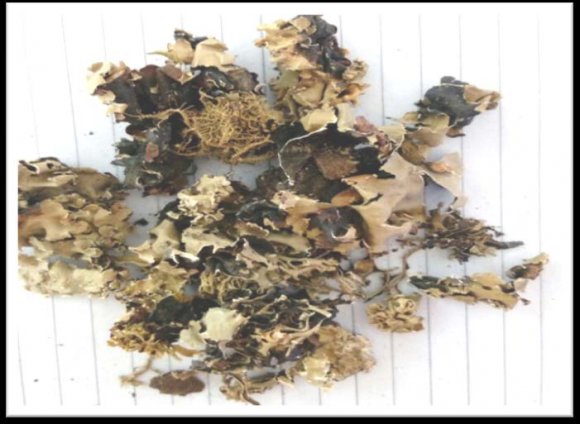

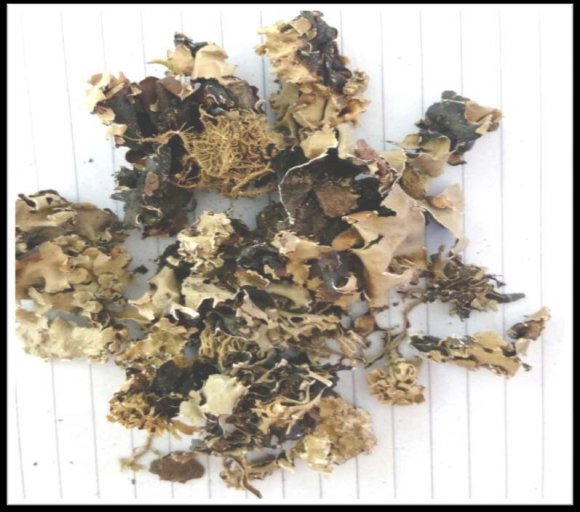
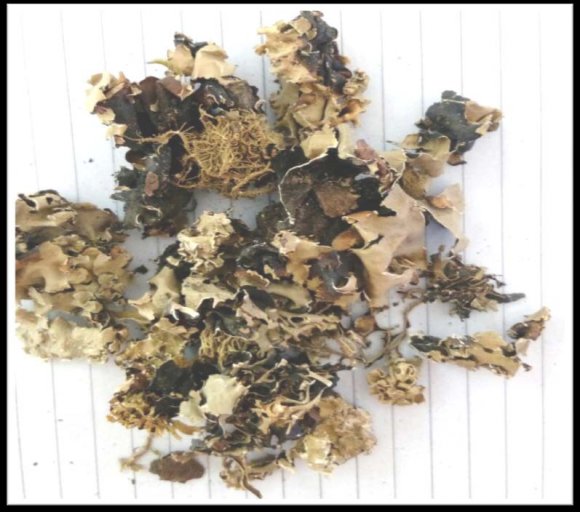
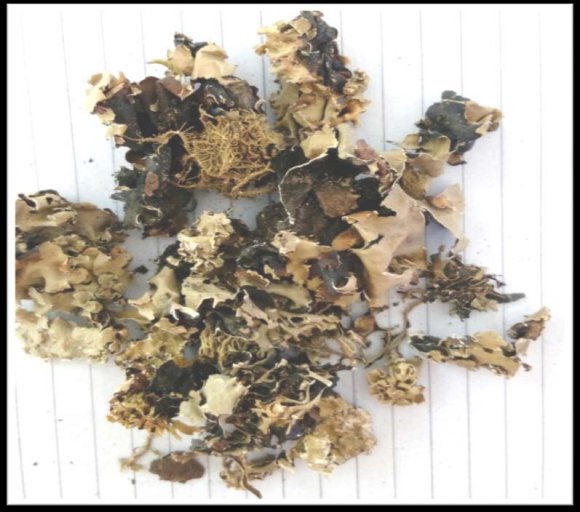
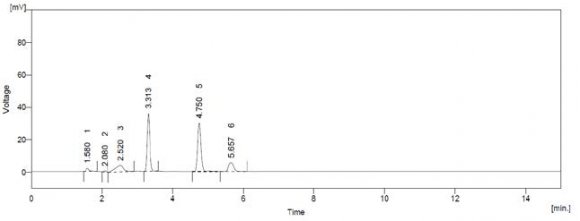
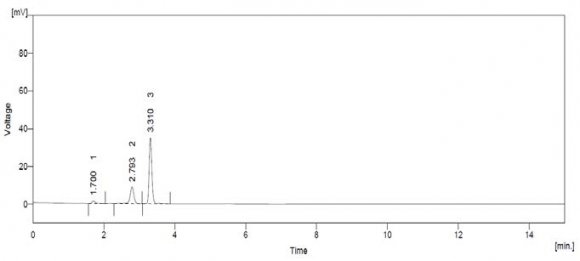
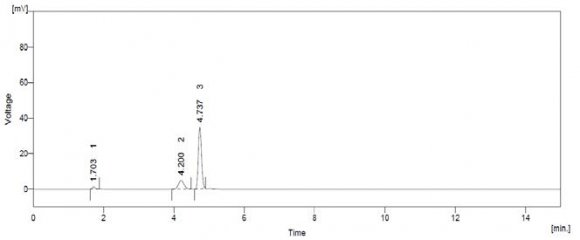
![Ficus carica L. Cultivars "Just Fruits & Exotics Nursery" of Crawfordville, FL donated the Ficus carica leaves from nine cultivars (Green Ishia [FIG1], Brown Turkey [FIG2], Mission [FIG3], Alma [FIG4], Celeste [FIG5], Giant Celeste [FIG6], Black Jack [FIG7], Nero [FIG8] and Hollier [FIG9]). In this paper, we present a pilot study of only one of these cultivars, the Alma fig, as well as some common characteristics of the other fig varieties and their extracts (Table](https://medicalresearchjournal.org/index.php/GJMR/article/download/1946/version/101217/1-Neuromodulation-of-Mu-opioid_html/20204/image-6.png)
| Researchers have examined the weight-of- |
| evidence of herb-drug interactions pertaining to the fig |
| leaf and have concluded that concern is both relevant |
| and valid based on available literature (i.e., non- |
| randomized clinical trial [RCT]; non-quantitative |
| systematic review; lower quality RCT; clinical cohort |
| study; case-control study; historical control; or |
| epidemiologic study) (Jellin et al., 2009). The severity of |
| interactions of fig leaf with two drugs has been rated as |
| "moderate," and caution is advised with these |
| combinations. Clinical research or pharmacokinetic data |
| in humans suggests that this interaction is "probable," |
| meaning that it will occur in a significant portion of |
| patients. Fig leaf may interact with anti-diabetic drugs or |
| insulin. In both cases, fig leaf lowers blood glucose |
| levels by enhancing the effect of hypoglycemic drugs |
| (Jellin et al., 2009). Mechanistically, fig leaf is capable of |
| improving glucose update by skeletal muscle (Jellin et |
| al., 2009). However, there was no clear evidence as to |
| the implications of other herb-drug interactions [such as |
| motor function drugs (e.g., skeletal muscle relaxants - |
| benzodiazepines; anti-seizure drugs -phenobarbital), or |
| centrally acting drugs that affect smooth muscles (e.g., |
| morphine)] or herb-disease interactions [such as drugs |
| affecting skeletal muscle tone in Parkinson's Disease |
| and other movement disorders]. |
| Finally, an analysis of the mineral content of the |
| fructus and folium of Ficus carica L. revealed superior |
| concentrations of calcium, potassium, magnesium, |
| phosphorus and sulfur in folium (27,611 ± 152 µg/g; |
| 16,000 ± 234 µg/g; 3,565 ± 174 µg/g; 1,285 ± 31 µg/g; |
| and 1,150 ± 67 µg/g respectively) versus fructus (6,006 |
| ± 613 µg/g; 13,892 ± 415 µg/g; 1,381 ± 186 µg/g; |
| 1,054 ± 44 µg/g; and 536.1 ± 7.5 µg/g respectively) |
| ( |
| Review & Pilot Study | |||||
| Nero | Leaf has a cordate base and | Large, reddish black fig; | Italy | Dark green | |
| (Barnisotte) | 5 lobes with the middle one | eye is medium-sized and | (pH 5.78, 5.79) | ||
| being spatulate and the | open; shape is turbinate- | ||||
| others latate. | pyriform, | sometimes | |||
| oblique with a broad apex. | |||||
| 4 Jeong & Lachance (2001). | |||||
| 5 Bekoe et al. (2011) | |||||
| NR = not recorded | |||||
| Primer | Type | Sequence (5' to 3') | Bases | G/C Count |
| hMOR-1 1F | Forward (Sense) | ATGCCAGTGCTCATCATTAC | 20 | 9 |
| hMOR-1 1R | Reverse (Antisense) | GATCCTTCGAAGATTCCTGTCCT | 23 | 11 |
| hMOR-1A 1F | Forward (Sense) | CAGGTACGCAGTCTCTAGAATTAGG | 25 | 12 |
| hMOR-1A 1R | Reverse (Antisense) | TTCCCTCCATTCTCATCCTC | 20 | 10 |
| hMOR-1B1 1F | Forward (Sense) | TCAAAAGTCATCTTTACTCAACTGTG | 26 | 9 |
| hMOR-1B1 1R | Reverse (Antisense) | GCTTCCAATCTTATATTCTTTCACG | 25 | 9 |
| hMOR-1B2 1F | Forward (Sense) | AAAGAAGACAGAAATCTGACTGGTAA | 26 | 9 |
| hMOR-1B2 1R | Reverse (Antisense) | GCAAGCCGGATCACTAGG | 18 | 11 |
| hMOR-1B3 1F | Forward (Sense) | TTTGTTGCTGACCAACTTGC | 20 | 9 |
| hMOR-1B3 1R | Reverse (Antisense) | GGTCGTTTTTCTGTGTTGAGG | 21 | 10 |
| hMOR-1B5 1F | Forward (Sense) | GGAATTGAACCTGGACTGTCA | 21 | 10 |
| hMOR-1B5 1R | Reverse (Antisense) | AAGCCTTCGCAAACTCAAAA | 20 | 8 |
| hMOR-1K1 1F | Forward (Sense) | CTGGGTAGGAAAGTGGCAAA | 20 | 10 |
| hMOR-1K1 1R | Reverse (Antisense) | TGACCTTGGTGCTCAAGAAGT | 21 | 10 |
| Type |