1.
In Vitro Antioxidant, Anti-Inflammatory and Anti-Microbial Activity of Carica Papaya Seeds Abstract-Papaya seeds are reported to have higher therapeutic potential in comparison to the fruits in which they reside. Thus, the present in-vitro study aimed to evaluate and compare the anti-oxidant, anti-inflammatory and anti-microbial effect of seed extracts on Carica papaya L. (Caricaceae). The bioactive form the seeds were sequentially fractionated with hexane, chloroform, diethyl ether, and methanol in the increasing order of polarity. Total phenolic and flavonoid contents were estimated. These extracts were assessed for an antioxidant property by 1, 1-diphenyl-2-picryl-hydroxyl (DPPH) method and reducing power assay was carried out using the FeCl3 method. Inhibition of 15-lipoxygenase (LOX) by these extracts at 5 -25µg to asses anti-inflammatory capacity was studied.
Antibacterial activity against some human pathogenic bacteria was tested by agar disk diffusion method. Among all the organic solvent extracts, methanolic extracts exhibited good antioxidant and antibacterial activity. Methanolic extract with an IC50 value of 48mg for LOX inhibition is reported. The extracts showed inhibition of human pathogenic bacteria in the order: Escherichia coli >Pseudomonas vulgaris>Klebsiella pneumonia. Significant and positive linear correlations were found between total antioxidant capacities and phenolic contents indicating that phenolics were the dominant antioxidant constituents in tested seeds. Methanol extracts of C.papaya were subjected to LC-MS metabolite profiling. The LC-MS analysis identified 6 metabolites p-hydroxybenzoic acid, salicylic acid, hyperoxide, genteel alcohol, triallyl glucose, kaemferolhexoside as the main constituents for the first time from this seed extract. Our study demonstrated that the selected papaya seeds have good antioxidant, antiinflammatory, and antibacterial properties.
2. Keywords:
carica papaya L., seed extracts, phytochemical analysis, antioxidant, lipoxygenase inhibition, antimicrobial activity. apaya (Carica papaya L.) is a member of the family Caricaceae. This plant family has four genera including Jarilla, Cylicomorpha, Cylicomorpha, and Carica. Carica papaya L. is common papaya and extensively grown over the world. The plant is herbaceous, soft tissue and fast-growing. Common names include papaya, papaw or pawpaw, Papeete (Pakistan), paper (French), Tenenbaum (German), chose (Spanish), mamao, mamoeiro (Portuguese), mugu (Chinese) and Malakal (Thailand). Papaya is a fruit plant with a soft stem, commonly and erroneously referred to as a tree. The papaya seeds contain balance-nutrients which consist of protein (24.3%), fatty oil (25.3%) and total carbohydrate (32.5 %,). Although it contains a significantly high level of unsaturated fatty acids, papaya seeds seem not to be good oil seeds. Papaya seeds are used generally as an anti-parasitic agent by humans' plant is properly a large herb growing at the rate of 1.8-3 m in the first year and reaching 6-9 m in height [1]. The lower trunk is conspicuously scarred where leaves and fruit are borne. In some parts of the world, papaya leaves are made into tea as a treatment for malaria, dengue but the mechanism is to be scientifically proven. Papaya contains about 6% of the level of beta carotene. Excessive consumption of papaya may cause carotenemia, the yellowing of soles and palms [15]. Papaya releases a latex fluid when not ripe, possibly causing irritation and an allergic reaction in some people.
3. Introduction
4. II.
5. Material and Methods
6. a) Chemicals and Reagents
Linoleic acid, 1, 1-diphenyl-2 (DPPH), catechin were purchased from SIGMA ALDRICH (USA, MO). Sodium bicarbonate, 15 lipoxygenase, aluminum chloride, gallic acid, ascorbic acid, trichloroacetic acid (TCA), potassium ferricyanide, ferric chloride, folic-ciocalteu (FC) potassium buffer, borate buffer, nutrient agar, peptone, beef extract, hexane, chloroform, diethyl ether, methanol, borate salt, sodium dihydrogen phosphate, disodium hydrogen phosphate were laboratory chemicals.
7. b) Processing of Plant Samples
Carica papaya fruits were collected from Mysore district, Karnataka, India. The pawpaw fruits were washed in tap water and then rinsed in sterile distilled water. The seeds were removed and shade about a week and were crushed using liquid nitrogen using mortar and pestle. Seeds were ground into a coarse powder. Fractionation of bioactive compounds was carried out using a solvent to increase the polarit of the solvents like hexane, chloroform, diethyl ether and methanol for 48 h in dark with constant stirring at room temperature. After each fractionation, the respective solvents were carefully filtered using a muslin cloth to prevent contamination by seed residue. The clear extract was air-dried to get a fine paste. The extract was weighed and stored at 4OC in dark until further analysis.
8. c) Extraction Of Plant Material
About 25 g of coarsely powdered papaya seeds were weighed and suspended into 200mL of th (hexane, chloroform, diethyl ether, and methanol) based on the increasing order of polarity. The extraction was ethods 2-picrylhdrazyl (DPPH), catechin were purchased from SIGMA ALDRICH (USA, MO). Sodium bicarbonate, 15acid, ascorbic acid, trichloroacetic acid (TCA), potassium ferricyanide, ciocalteu (FC) potassium buffer, borate buffer, nutrient agar, peptone, beef extract, hexane, chloroform, diethyl ether, methanol, borate salt, en phosphate, disodium hydrogen fruits were collected from Mysore district, Karnataka, India. The pawpaw fruits were washed in tap water and then rinsed in sterile distilled er. The seeds were removed and shade-dried for about a week and were crushed using liquid nitrogen using mortar and pestle. Seeds were ground into a coarse powder. Fractionation of bioactive compounds was carried out using a solvent to increase the polarity of the solvents like hexane, chloroform, diethyl ether and methanol for 48 h in dark with constant stirring at room temperature. After each fractionation, the respective solvents were carefully filtered using a muslin cloth to ed residue. The clear dried to get a fine paste. The extract was weighed and stored at 4OC in dark until further analysis. About 25 g of coarsely powdered papaya seeds were weighed and suspended into 200mL of the solvent (hexane, chloroform, diethyl ether, and methanol) based on the increasing order of polarity. The extraction was carried out at room temperature for 48 h using rotatory shaker at 30C 60 rpm for 48 h. The extracts were first filtered with a clean muslin cloth and then suction filtered using flash operator at 44? C 160 rpm and finally dried it in glass Petri dishes at RT. The final drying process was carried out using by collecting the filtrates in the Eppendorf tube and dried in speed vacuum for 3 h 40?C and the extracts were stored in dark at 4 further use.
9. III.
10. Phytochemical A
11. Qualitative Analysis of Saponins and Tannins a) A Test for Sapponins
About 0.1 g of methanolic extract was diluted in 1ml of methanol. Extract (0.5 mL) was taken in a test tube and solubilized using 4.5mL of distilled water[ The formation of stable foam indicated the presence of Saponins.
12. b) A Test for Tannins
About 0.1 g of methanolic extract was diluted in 1ml of methanol. Extract (0.5 mL) was taken i tube and mixed with 10mL distilled water and ferric chloride reagent (3 drops,) added to the filtrate. A blue black green precipitate confirmed the presence of Gallic tannins or catechol tannins [2].
13. c) Determination of Total Phenolics
The total phenolic content was estimated using the Folin-Ciocalteu (FC) calorimetric method. Gallic acid (20-100mg) standard was prepared. Extract (0.1 g) was weighed and diluted to make 100mg in 100mL. The extract (20-100mL) reacted with FC reagent (250mL) and was incubated at RT for 5min[ neutralized with saturated sodium bicarbonate (1.5mL, carried out at room temperature for 48 h using rotatory shaker at 30C 60 rpm for 48 h. The extracts were first uslin cloth and then suction filtered C 160 rpm and finally dried it in glass Petri dishes at RT. The final drying process was carried out using by collecting the filtrates in the Eppendorf tube and dried in speed vacuum for 3 h at C and the extracts were stored in dark at 4?C till hytochemical Analysis
Qualitative Analysis of Saponins and Tannins About 0.1 g of methanolic extract was diluted in ) was taken in a test tube and solubilized using 4.5mL of distilled water [2]. The formation of stable foam indicated the presence of About 0.1 g of methanolic extract was diluted in 1ml of methanol. Extract (0.5 mL) was taken in a test tube and mixed with 10mL distilled water and ferric chloride reagent (3 drops,) added to the filtrate. A blueblack green precipitate confirmed the presence of Gallic Determination of Total Phenolics lic content was estimated using Ciocalteu (FC) calorimetric method. Gallic acid 100mg) standard was prepared. Extract (0.1 g) was weighed and diluted to make 100mg in 100mL. The 100mL) reacted with FC reagent (250mL) ated at RT for 5min [3]. The reaction was neutralized with saturated sodium bicarbonate (1.5mL, ) that was added to the mixture and allowed to stand for 1 h [6]. The absorbance of the resulting blue color was measured at 765 nm (BECKMAN COULTER, DU 730 LIFE SCIENCE UV/VISIBLE SPECTRO-PHOTOMETER). Total phenolics content in the methanol extract of seeds was quantified by the calibration curve obtained from measuring the absorbance of known concentrations of gallic acid standard. The total phenolic contents were expressed as gallic acid equivalence (GAE) in ?g.
14. Global
15. d) Determination of Total Flavonoids
The total flavonoid content was determined by the aluminum chloride colorimetric method [5]. In brief, 10-50 mL of extract were made up to 1mL with methanol, mixed with 4mL of distilled water and then 0.3mL of 5% NaNO2 solution. AlCl3 (0.3mL of 10%) solution was added after 5min of incubation and the mixture could stand for 6min. Then, 2mL of 1 mol/L NaOH solution was added, and the final volume of the mixture was brought to 10 mL with double-distilled water. The mixture could stand for 15min, and absorbance was measured at 510nm. The total flavonoid content was calculated from a calibration curve, and the result was expressed as ug catechin equivalent per g dry weight [9].
16. e) Antioxidant Activity i. DPPH radical scavenging assay
The free radical scavenging property of the methanol extracts of papaya seeds was determined by the DPPH method. An aliquot of the extract was dissolved in a solvent and was plated out in duplicate in a 96-well microtiter plate. The DPPH radical solution (50mM; 2.9mg in 25mLmethanol) was added to alternating columns of the test samples and methanol was used as control. The percent of decolorization was recorded spectrophotometrically at 517nm using the Thermo Scientific Varioskan Flash Microtiter Plate Reader. The reaction for scavenging DPPH radical was in dark and the absorbance was recorded at 517 nm (Spectra Max, Molecular devises). Percent radical scavenging activity was determined by comparing with a solvent added as a control. The IC50 values were determined, which denote the Concentration of extracts required to scavenge 50% DPPH radicals [4]. Ascorbic acid (0.1 g in 5mL) was used as positive control at least three independent tests were performed for each sample. Solvent extracts of hexane, diethyl ether and methanol were tested [6]. Percent scavenging effect was determined by the following equation: % inhibition = [(Absorbance of control -Absorbance of the test sample)/Absorbance of control] x100 [7].
17. f) Reducing Power Assay
This estimation of reducing power was carried for papaya seeds with slight modifications. Test solution (0.1mL, 1mg/mL) was mixed with equal volume of phosphate buffer (0.2M, pH 6.6) and potassium ferricyanide (2.5mL, 1%) and was incubated at 50oC for 20 min. Trichloroacetic acid (TCA; 10%, 2.5mL) was added to the mixture, which was then centrifuged at 3000 rpm for 5 min. After centrifugation, the supernatant solution (1.5mL) was taken in a test tube and was mixed with an equal volume of distilled water and ferric chloride (0.5mL, 0.1%). Ascorbic acid was used as a standard and phosphate buffer was used as a blank solution. Absorbance was measured at 700nm (Beckman-Colter, Du 730 Life Science Uv/Visible Spectrophotometer). Increased absorbance of the reaction mixture indicates stronger reducing power [8].
18. g) Anti-Inflammatory Activity i. Lipoxygenase assay (LOX)
Carica papaya seeds were extracted and solubilized in methanol and tested for in vitro antiinflammatory activity spectrophotometric assay for determination of LOX activity for papaya seed. Weight of empty Eppendorf tube was noted and 5mg of methanol extract was taken in empty Eppendorf tube extract was diluted using 1ml of methanol and shaken well. 15-LOX (5mg) activity with linolenic acid(0.2mM) in borate buffer (0.2M, pH 9.0) was carried out methanol extract (5, 10, 15, 20ml). The inhibition of LOX by the extracts was recorded by the time scan method at 234 nm [10]. Ascorbic acid inhibiting LOX was as recorded at 234nm using UV-Visible Spectrophotometer (Beckman-Coulter, Du 730 Life Science Uv/ Visible Spectrophotometer). The inhibitory effect of the extract was expressed as % of enzyme activity inhibition (IC50) value indicating the concentration required to inhibit 50% LOX activity [14]. It was calculated using the formula % of inhibition= [(initial activity-inhibitor activity]/initial activity] ´100.
19. h) Antibacterial Activity i. Determination of Antibacterial Activity
Antibacterial activity of methanolic extracts (1, 2.5, 5 10 uL) of papaya seeds was determined by the disc diffusion method. The bacterial samples tested were Escherichiacoli, Klebsiellapneumonia, and Pseudomonasvulgaris. The media was prepared using peptone (3.75g), beef extract (2.25g), agar (15g) and distilled water (750mL). The contents were transferred to a flask and were plugged with cotton and wrapped using brown paper. Glass Petri plates were washed thoroughly rinsed with methanol and autoclaved at 121?C for 15min for complete sterilization [11]. The agar solution could cool, and 15 mL was poured into sterile glass Petri plates. The plates could set and then incubated at 37?C overnight. Colonies were picked from plates and used as inoculums of test organisms. The plates were incubated at 37?C overnight. Disc of Whatman No.1 filter paper was sterilized by heating in an oven for 30 min at 80?C [12]. Agar plates were inoculated with each organism and after 5 min, 6 filter paper discs, impregnated with 5mL of the concentrated extracts, streptomycin (0.5mg/mL) were transferred onto the agar plates using sterile forceps. The plates were then incubated at 37?C overnight. The effectiveness of the extract as an antibiotic against the test organism was determined by measuring the diameter of the zone of inhibition.
20. ii. LC-MS ANALYSIS
For the qualitative analysis of the metabolites were analyzed by Synapt G2 (UPLC separations with Quant of) according to the manufacturer's protocol. The nebulizer pressure was 60 psi and the nitrogen flow rate 10 L/min at a drying temperature of 350°C. The methanol seed extract was filtered (0.2-micron syringe filters, Millipore, U.S.A) and an aliquot (5 ?l) was injected into the system. The mass spectra were acquired from m/z 100-1000 in negative ionization mode. Helium was used as the collision gas for the fragmentation of the isolated compounds in the ion trap [13]. The detection conditions were as follows: capillary voltage, 3500 V; skimmer voltage, -40 V; cap exit voltage, -158.5 V; Oct 1 DC, -12 V; Oct 2 DC, -2.45 V; trap drive level, 45.0; Oct RF, 150 Vpp; Lens 1, 5.0 V; Lens 2, 60 V.
21. IV.
22. Results
Carica papaya seed extract was prepared using four different solvents (hexane, chloroform, diethyl ether, and methanol) for the screening of bioactive capacity. The analysis was performed using a generally accepted laboratory technique for qualitative determinations. Saponins test performed showed a positive result for hexane, diethyl ether and methanol whereas negative for chloroform. The tannins test conducted showed a positive result for hexane and methanol whereas negative results for chloroform and diethyl ether extracts. Thus methanol extract of C.papaya seeds contains saponins, tannin compounds. The importance of saponins and tannins in various antibiotics for treating common pathogenic strains has been reported [16].
23. Phytochemical Analysis
24. Quantitative Analysis of Total Phenols and Flavonoids a) Total Phenolic Content
Total phenolic contents of the methanolic fractions of the seed of C. papaya were determined by using the Folin-Ciocalteu reagent and were expressed as gallic acid equivalents (GAE) per gram of seed extract. The total phenolic contents were 147?g for methanol extract of papaya seeds.
25. b) Total Flavonoid Content
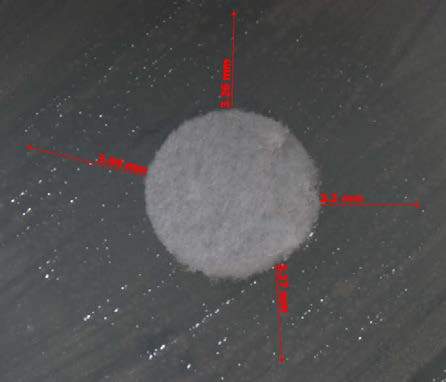
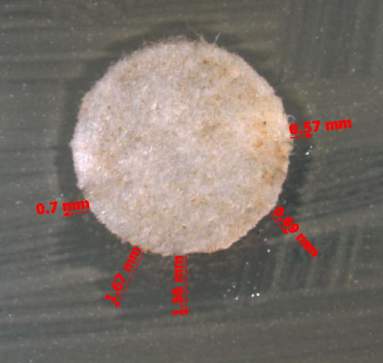
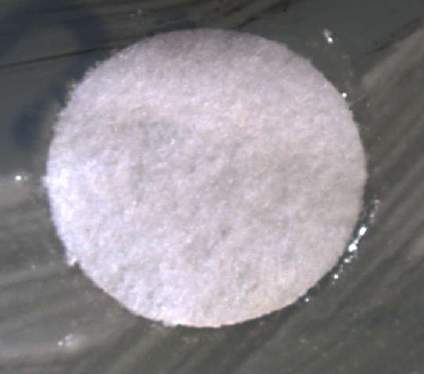
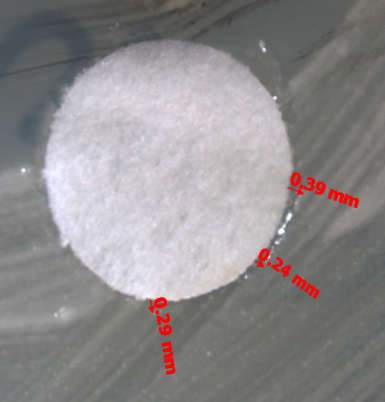
Flavonoids are secondary metabolites, the antioxidant activity of which is dependent on the presence of free -OH group, especially 3-OH. The total flavonoid content was 100mg for methanol extract of papaya seeds. As this is the report on the antioxidant activity of C. papaya through phytochemical analysis, identification of the active phenolic and flavonoid compounds was attempted. The results of the antibacterial sensitivity of the methanolic extract of C. papaya seed by disc diffusion method are depicted for different time intervals of 12, 24 and 48 h in the graph for Escherichia coli (Fig. 9) and Pseudomonas Vulgaris (Fig. 10). The results reveal that the extract has antimicrobial activity against these pathogenic organisms studied. The antibacterial activity was screened from the zone of inhibition. The four different concentrations of methanolic extract (1, 2.5, 5 and10 mg) inhibited Escherichia coli (Table 3; Fig. 11) Pseudomonas Vulgaris (Table 4; Fig. 12) growth with a maximum inhibition at 10mg. The streptomycin drug used showed maximum growth inhibition (3.94mm) compared to control (methanol, 10 ml). The drug inhibited Escherichia coli (2.95mm).
26. ANTIBACTERIAL ASSAY PSEUDOMONAS VULGARIS 12 h.
control drug 1 2.5 5 10
27. ANTIBACTERIAL ASSAY PSEUDOMONAS VULGARIS 24 h.
control drug 1 2.5 5 10
28. ANTIBACTERIAL ASSAY PSEUDOMONAS VULGARIS 48 h.
control drug 1 2.5 5 10
In Vitro Antioxidant, Anti-Inflammatory and Anti-Microbial Activity of Carica Papaya Seeds
29. Discussion
The constituent of the extract of C. papaya (dried) seeds contain compounds and micronutrients which may be responsible for its observed antioxidant activity. This study suggests that the plant possesses antioxidant activities that can counteract the oxidative damage. The total phenol test provides information on the reactivity of the seed extract with a stable free radical. It gives a strong absorption band. The degree of reduction in absorbance measurement is indicative of the radical scavenging (antioxidant) power of the extract. The extract of Carica papaya appeared to be as potent as Gallic Acid with maximum inhibition. The extract is found to have broadspectrum antibacterial activity and used as analgesics and narcotics for pain relief. A report indicates that extracts are more active against Gram-positive bacteria than Gram-negative bacteria while that of the leaf extract of C. papaya was next to the most sensitivity with Gramnegative bacteria [17]. The activity of the extract is comparable to those of antibiotics. The demonstration of activity against the test bacteria provides scientific bases for the local usage of the plant in the treatment of various ailments. The fact that the extract is active against Gram-positive bacteria and Fungi tested may indicate a broad spectrum of activity. This observation is very significant because of the possibility of developing therapeutic substances that will be active against multidrug-resistant organisms.
Lipoxygenases (LOXs) are a family of non-heme iron-containing dioxygenases catalyzing the biosynthesis of leukotrienes. Leukotrienes function as initiators of inflammation and their inhibition is partly responsible for the anti-inflammatory activity. In the present study methanolic extracts, Carica papaya showed good anti-LOX activity with an IC50 value of .LOX inhibition was used to evaluate the antiinflammatory activity of a few medicinal plants [10].
Plant phytochemicals with health benefits have been attributed to health as they cannot be synthesized by humans and they have been linked to antioxidant activity. In the present study, UPLC-DAD identified phydroxybenzoic acid, salicylic acid, hyperoside, gentisyl alcohol, trigalloyl glucose, kaemferolhexoside among others. These are reported as the strongest natural anti-inflammatory agent [13]. The presence of the phytochemicals in the extract could also support the therapeutic property tamarind seed for the mentioned application in the traditional literature of India.
30. VII.
31. Conclusion
Carica papaya is a nutraceutical plant having a wide range of pharmacological activities. The whole plant has its own medicinal value. The wide range of enzymes, vitamins present in Carica papaya makes it a nutraceutical plant. Antioxidant and antimicrobial properties of methanolic extract of Carica papaya have recently been of great interest in both the research and food industry, because of its possible use as natural additives which emerged from a growing tendency to replace synthetic antioxidants with natural ones. Owing to the antioxidant and antibacterial activities exhibited by the seed extract investigated in this study, it could be considered a natural herbal source that can be used in the food and pharmaceutical industries. However, further studies are needed to obtain purified compounds that may be responsible for the activities observed from the tested seeds.



| Bioactives Hexane Chloroform | Diethyl Ether | Methanol | ||
| Tanins | + | - | - | + |
| Saponin | + | - | + | + |
| V. | ||||
| Year 2020 |
| 26 |
| Sl No. | Solvent Used | Concent Ration | Zone of Inhibition | |||
| T(0h) | T(12h) | T(24h) | T(48h) | |||
| 1 | Methanol | Control | 0.0 | 0.96mm | 1.43mm | 1.65mm |
| Streptomycin | Drug | 0.0 | 3.26mm | 3.27mm | 3.94mm | |
| 1?L | 0.0 | 0.22mm | 0.23mm | 0.34mm | ||
| 2.5?l | 0.0 | 0.0mm | 0.34mm | 0.36mm | ||
| 5?l | 0.0 | 0.24mm | 0.29mm | 0.39mm | ||
| 10?l | 0.0 | 0.7mm | 1.56mm | 1.67mm | ||