1. Renal Angiomyolipoma during Pregnancy:
A Case Report Her medical, surgical, and obstetrical history consisted of kidney stones, one vaginal delivery, and one dilatation and curettage for incomplete abortion. She was on acetylsalicylic acid (ASA) during her current pregnancy.
On examination, she was hemodynamically stable, with no fever. A blood test was ordered and revealed, hemoglobin level at 11.5 (Hematocrit 33.7), White Blood Count (WBC) at 11.9, CRP 3.92, Creatinine 0.48. Urine analysis showed red blood cells at 80 at WBC at 5. Hepatic panel and electrolytes were within normal levels.
Abdominal examination revealed tenderness on the right groin. The urologist and infectious disease specialists were also in this case. Her pain was relieved by intravenous analgesics and relative bed rest.
The obstetrical ultrasound showed a single intrauterine pregnancy with positive cardiac activity commensurate with the gestational age; however, the renal ultrasound showed the presence of a hyperechogenic vascularized fatty tissue on the right kidney, measuring 7.4 x 5.1 x 6.2 cms, with minimal pelvicalyceal dilatation. There is no lithiasis or subcapsular hematoma (Image 1). A renal MRI completed the investigations.
Image 1: Ultrasound of the right kidney, as described above
The MRI result showed a well-defined, 75mm, multilocular renal mass occupying the middle segment of the right kidney with an image of a small pelvicalyceal dilatation and an intracavitary hemorrhagic content. Consequently, the MRI report evoked the diagnosis of angiomyolipoma. (Image 2, 3, 4)
1 Year 2020 Introduction dilatation.The MRI opted for an angiomyolipoma. Discharged home at day 4 of admission, the patient's continued the remaining weeks of her pregnancy uneventfully, until 37 weeks. She delivered her baby vaginally with no further complications during pregnancy or in the postpartum period.
In conclusion, due to the insufficient data in the literature supporting the management of patients with AML, the individualization of the treatment is an essential strategy.
Keywords: "angiomyolipoma" "renal tumor" "pregnancy" "surgery" "embolization". enal angiomyolipoma (AML) is the most common benign tumor of the kidney. It appears mainly in females during their procreation age and is affected by the hormonal changes occurring during pregnancy. It could be life-threatening when ruptured, leading to severe bleeding.
There are few cases in the literature concerning the optimal management taken in the case of AML, especially during pregnancy.
We, at this moment, are going to describe the evolution of AML during pregnancy in a 32 years old female, trying to maintain a normal renal function and a viable fetus until delivery.
2. II.
3. Case Presentation
It is the case of a 32 years-old female who presented at 21 weeks of gestation. She had a one-day history right-sided flank pain, chills, macroscopic hematuria, and vomiting. On day 4 of admission, the patient's condition remained stable, with no fever and less pain. Therefore, she was discharged on analgesics with a medical report of her state, so she can rest at home. The remaining weeks of her pregnancy were completely uneventful, and the patient delivered her baby vaginally at 37 weeks with an APGAR of 9/10, weighting 2500 g. There were no further complications during the pregnancy or in the post-partum period.
4. III.
5. Discussion
Angiomyolipoma is the most common benign mesenchymal tumor of the kidney, composed of adipose and vascular tissue in the association of smooth muscle.
Its prevalence varies between 0.12 and 0.14 percent in the general population. There is also a female predominance with a ratio of 4:1. Most of the time, it is the Right kidney that is affected [1].
The AML could appear either sporadically or in association with tuberous sclerosis. In the first case, AML is often solitary and accounts for 80% of the AML. Generally, patients present with a mean age of 43 years old. On the other hand, in 20% of the cases, AML is associated with tuberous sclerosis. In the latter case, the mean age at the time of diagnosis is 25 to 35 years. The lesions typically exceeds the isolated angiomyolipoma in size, and they are often bilateral and multiple. Angiomyolipoma occurs in 80% of patients with tuberous sclerosis. Exceptionally, these renal tumors could rupture, leading to massive retroperitoneal hemorrhage and resulting in what we call the Wunderlich syndrome [2].
The classical clinical presentation of AML is flank pain, palpable mass, nausea, hematuria, and anemia. AML tends to appear during the pregnancy period, due to the hormonal influence of estrogen and progesterone in addition to the increased receptors on the surface of the AML associated with the expansion of the intraabdominal pressure during gestation.
The sonographic features of AML consist of a well-circumscribed and highly echogenic mass because of its high-fat content, multiple nonfatty interfaces, heterogeneous cellular architecture, and numerous vessels. Other renal tumors, such as lipoma, teratoma, Wilms tumor, oncocytoma, and renal cell carcinoma (RCC), may contain fat and can be difficult to be differentiated on imaging studies. A CT scan with thin (less than 5-mm) sectioning is recommended for the confirmation of diagnosis whenever AMLs are suspected [3]. However, MRI does not appear to have an advantage over CT scan, except in pregnancy, and when the intravenous contrast administration is not indicated.
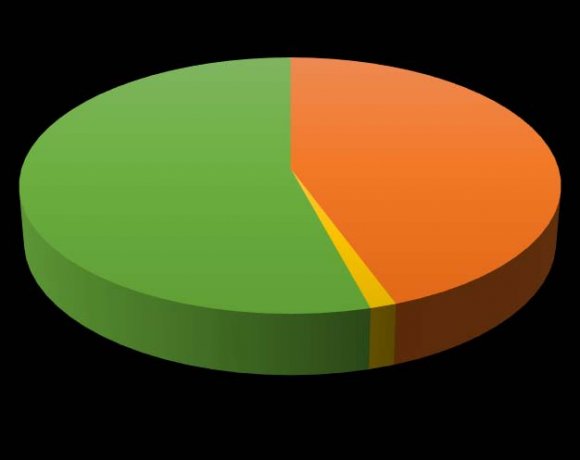
In the case of rupture, hemodynamic stability is of critical importance for the selection of an optimal treatment strategy. In the case of hemodynamically unstable patients, emergent surgery (nephrectomy) or Renal Angiomyolipoma during Pregnancy: A Case Report arterial embolization (if available) are the main options of treatment [4]. The Embolization consists of an alternative after 12 weeks of gestation with minimal fetal radiation exposure. Concerning the asymptomatic pregnant patients, the conservative approach may be of choice in these cases [5]. As for the definitive treatment, it may be delayed after the delivery. According to the literature, most of the patients with renal angiomyolipoma, delivered their babies via cesarean section (56%), whereas only 19% delivered vaginally (Table 1). However, vaginal delivery is a safe approach for these patients, and the cesarean does not affect the risk of rupture. Consequently, the mode of delivery should be decided based on obstetrical indications only. Vacuum extraction can also be an alternative in order to reduce the time of the second stage of labor.
Seeing that our patient was hemodynamically stable, along with the normal development of her fetus, a multidisciplinary approach decided that the patient proceeds to the term of delivery. She underwent a successful vaginal delivery without complications.
6. IV.
7. Conclusion
Due to the insufficient data in the literature supporting the management of patients with AML, the individualization of the treatment is an essential strategy.
We need to have more experience with these strategies and to initiate more studies, so it can be the basis of any recommendation for the optimal treatment method.
8. Conflict of Interest
No conflict of interest to declare
9. Consent and Ethical Approval
Obtained from the patient to publish the case.
10. Financial Funding
No funding was obtained for this publication.
| Author | Year Maternal Age | GW | Tumor size (cm) | Rupture | RA Management | Pregnancy Management | |
| Lee [6] | 1994 | 29 | 27 | NR | Yes | Nephrectomy | Fetal death |
| Yanai [7] | 1996 | NR | 39 | NR | Yes | Embolization | Term delivery |
| Oka [8] | 1999 | 32 | 36 | NR | Yes | Nephrectomy | Term C/S |
| Tanaka [9] | 2001 | 23 | 27 | 7 | Yes | Conservative +Later Embolization | Vaginal delivery |
| GimenoArgente [10] | 2006 | 40 | 33 | NR | Yes | Nephrectomy | CS |
| Raft [11] | 2006 | 40 | 34 | NR | Yes | conservative | Preterm C/S |
| Storm [1] | 2006 | 32 | 39 | 8 | Yes | Conservative | Vaginal delivery |
| Koh [12] | 2007 | 31 | 12 | NR | Yes | Nephrectomy | Term C/S |
| Illescas Molina [13] | 2007 | 36 | 28 | NR | Yes | conservative | Term C/S |
| Kontos [14] | 2008 | 28 | 33 | 7 | Yes | Nephrectomy | PreTerm C/S |
| Binkowska [15] | 2009 | 26 | 20 | 17,4 | Yes | Embolization | Term C/S |
| Komeya [16] | 2010 | 39 | 38 | 8 | Yes | Embolization | Term C/S |
| Zapardiel [17] | 2011 | 30 | 35 | 11 | Yes | Embolization | PreTerm C/S |
| Gyimadu [18] | 2011 | 21 | 25 | 11,5 | Yes | Conservative +Later Embolization | Term C/S |
| Lopater [19] | 2011 | 34 | 30 | 4 | No | Nephrectomy | Term C/S |
| Govendik Horny [20] | 2011 | 30 | 20 | 8 | No | Nephrectomy | NR |
| Bolufer [21] | 2012 | 26 | NR | 12 | Yes | Nephrectomy | Vaginal delivery |
| Ferianec [22] | 2013 | 30 | 9 | 21 | Yes | Nephrectomy | Therapeutic Abortion |
| Iruloh [23] | 2013 | 23 | 31 | 12 | Yes | Embolization +Nephrectomy | Term C/S |
| Pontis [24] | 2013 | 33 | 34 | 4,8 | Yes | Nephrectomy | Preterm C/S |
| Davis [25] | 2013 | NR | NR | NR | NR | NR | NR |
| dos Santos [26] 2014 | 40 | 18 | 5 | Yes | Conservative | Preterm C/S | |
| Preece [27] | 2015 | 45 | 24 | 15 | Yes | Embolization +Nephrectomy | Term C/S |
| Bidault [28] | 2015 | 31 | NR | 9 | No | Nephrectomy | - |
| Cetin [29] | 2015 | 26 | 44 | 11 | No | Nephtectomy | Vaginal delivery |