1. Introduction
mmune system helps us to defend against the viruses, bacteria and other microorganisms that causes various types of diseases. Therefore a healthy immune system protects us by first developing a carrier that stops those invaders or germs from entering the body. Immune system also produces white blood cells and other chemicals and proteins that attack and destroy these foreign substance and keep our body healthy. So it has become mandatory to keep our immune system strong. The disastrous effect of novel corona virus disease COVID 19 has rapidly spread all over the world as a pandemic, also declared by WHO. Till now no specific drug or vaccine has emerged to control this pandemic. The rising problem of morbidity and mortality justify the search and adoption of new tools and measures to minimise the impact of COVID 19.
The key which can save us from COVID19, is our immunity. If our immune system is strong it can save us to some extent from the attack of virus and to enhance our immunity, the food plays a key role. Food is determining our overall health and immunity. Therefore to enhance the immunity we should take inmmunity boosters. Natural immunity boosters are foods, fruits, vegetables and spices that help us to increase the ability to fight against illness by enhancing our immunity. Ayurvedic system depend upon the natural things since a long time. It has been claimed for their efficacy without side effects, low cost and they have been evaluated boosters to combat current COVID 19 pandemic and is practised all around the globe. In this paper we will discuss some important natural ingradients like Turmeric (Haldi), Ginger (Adrak), Cinnamon (Dalchini), Fennel (Jeera) which are very useful to enhance our immunity.
2. II.
3. Turmeric
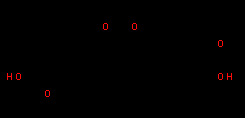
Turmeric is known for its healing powers. It contains lipopolysaccharide a substance with antibacterial, antiviral and antifungal properties, that help to stimulate the human immune system .It is also known as Indian saffron due to its brilliant yellow colour. The main constituent responsible is curcumin which is a beta-diketone that is methane in which two of the hydrogens are substituted by feruloyl groups. Commercially available curcumin is a combination of three molecules together called curcuminoids. The percentage of curcuminoids is 60-70% followed by demethoxycurcumin (20-27%) and bisdemethoxycurcumin (10-15%) [1]. Besides curcuminoids the other active components of turmeric include sesquiterpenes, diterpenes, and triterpenoids [2]. The immunomodulary abilities of curcumin arise from its interaction with various immunomodulators including not only cellular components such as dendritic cells, macrophases and both B and T lymphocytes but also molecular components involved in the inflammatory processes such as cytokinines and various transcription factors with their downstream signalling pathways .
4. Structure of Curcumin
The modulatory effects of curcumin on the TLR4/ MyD88/ NF-kB signalling pathway have been reported not onlyin brain injury models but also in experimental colitis [3] , in LPS induced mastitis [4] and in Helicobacter pylori induced gastritis [5] pointing out the importance of this pathway in the development of different diseases. Besides curcumin, the other bioactive components of Curcumalonga have been investigated for their abilities to modulate the immune system are alpha-turmerone and ar-turmerone, these two compounds are isolated from lipophilic fraction and they induce PBMC proliferation and cytokine production [6]. The same effect were also shown by the polar fraction of turmeric hot water extract [7]. Therefore whole C.longa extract is used to enhance the immune stimulant activity in immunosuppressed patients.
5. III.
6. Ginger
Ginger (Zingiberofficinale Roscoe, Zingiberaceae) is one of the most commonly consumed dietary condiments in the world [8]. Its spicy aroma is mainly due to presence of ketones, especially the gingerols, which appear to be the primary component of ginger studied in much of the health-related scientific research. The rhizome, which is the horizontal stem from which the roots grow, is the main portion of ginger that is consumed .The oleoresin (i.e., oily resin) from the rhizomes (i.e., roots) of ginger contains many bioactive components, such as gingerol (1-[4?-hydroxy-3?methoxyphenyl]-5-hydroxy-3-decanone.which is the primary pungent ingredient that is believed to exert a variety of remarkable pharmacological and physiological activities. Gingerol believed to be the most abundant bioactive component of ginger root.
. Gingerol Ginger has been used for thousands of years for the treatment of numerous ailments, such as colds, nausea, arthritis, migraines, and hypertension. Ginger is widely used as an antioxidant, anti-inflammatory agent, antinause a compound [9][10][11][12], and anticancer agent as well as the protective effect of ginger against other disease conditions are reviewed. Ginger root contains a very high level (3.85 mmol/100 g) of total antioxidants. One of the many health claims attributed to ginger is its purported ability to decrease inflammation, swelling, and pain. Gingerol, a dried ginger extract, and a dried gingerol-enriched extract were each reported to exhibit analgesic and potent anti-inflammatory effects. The most common and well-established use of ginger throughout history is probably its utilization in alleviating symptoms of nausea and vomiting. The benefits and dangers of herbal treatment of liver and gastrointestinal distress have been reviewed [13].Ginger is also used to treat asthma, diabetes, and other conditions [14].
Asthma is a chronic disease characterized by inflammation and hypersensitivity of airway smooth muscle cells to different substances that induce spasms, and ginger has been used for centuries in treating respiratory illnesses. Components of ginger rhizomes are reported to contain potent compounds capable of suppressing allergic reactions and might be useful for the treatment and prevention of allergic diseases [15]. Ginger is not only an extremely popular dietary condiment used for flavoring food but also an herb that has been used for thousands of years as a medicinal herb to treat a variety of ailments. Chemical and metabolic analyses have revealed that ginger comprises hundreds of compounds and metabolites [16]. The most extensively studied bioactive components include gingerols and shogaols. The content of each component is clearly dependent on the source and preparation of the ginger rhizome.
7. IV.
Fennel Foeniculumvulgare, commonly known as fennel [17], is a flavourful culinary herb and medicinal plant. Fennel plants are green and white, with feathery leaves and yellow flowers. Both the crunchy bulb and the seeds of the fennel plant have a mild, licorice-like flavour. Yet, the flavour of the seeds is more potent due to their powerful essential oil.Its aroma active compounds such as anethole (and its polymers like dianethole and photoanethole) estragole, (+)-Fenchone and p-anisaldehyde.
Aside from its many culinary uses, fennel and its seeds offer a wide array of health benefits and may provide antioxidant, anti-inflammatory, and antibacterial effects [18]. its biologically active molecules possessing oestrogenic, a caricidal and antithrombotic activities. Fresh fennel bulb is a good source of vitamin C [19], a water-soluble vitamin critical for immune health, tissue repair, and collagen synthesis. Both the bulb and seeds contain the mineral Magnese which is important for enzyme activation, metabolism, cellular protection, bone development, blood sugar regulation, and wound healing Aside from manganese, fennel and its seeds contain other minerals vital to bone health, including Potassium, Magnesium, and Calcium [20]. Perhaps the most impressive benefits of fennel and fennel seeds come from the antioxidants and potent plant compounds they contain. Essential oil of the plant has been shown to contain more than 87 volatile compounds, including the polyphenol antioxidants rosmarinic acid, chlorogenic acid, quercetin, and apigenin. Polyphenol antioxidants are potent antiinflammatory agents that have powerful effects on your health. The fennel essential oil has been reported to exhibit antifungal effect [21]. Oral administration (200 mg/kg) of F.vulgare fruit methanolic extract has been reported to show inhibitory effects against acute and subacute inflammatory diseases and type IV allergic reactions [22]Studies suggest that people who follow diets rich in these antioxidants [23] have a lower risk of chronic conditions like heart disease, obesity, cancer, neurological diseases, and type 2 diabetes . Studies show that fennel extract inhibits the growth of potentially harmful bacteria and yeasts, such as Escherichia coli, Staphylococcus aureus, and Candida albicans [24][25]. F. vulgare is a medicinal and aromatic plant with a diverse pharmacological spectrum and having considerable importance in particular to food industry.
V.
8. Cinnnamon
Cinnamon is a spice that is obtained from the inner bark of trees known as cinnamomum. The common name is Dalchini. Antioxidants protect body from oxidative damage caused by free radicals. Cinnamon is loaded with powerful oxidants such as polyphenols and proanthocyanidins. These compounds give a boost to the immune system. Moreover the antioxidants have anti-inflammatory effects which may help lower the risk of disease [26]. Cinnamon may improve some risk factors for heart disease , 120mg/day cinnamon can reduce level of total cholesterol , bad LDL cholesterol and triglycerides, while good HDL cholesterol remains stable [27]. The polyphenols have been shown to reduce oxidative stress through the inhibition of 5-lipoxygenase. Cinnamaldehyde one of the main active component which inhibits the growth of fungi including yeasts, filamentous molds, dermatophytes and the eggs and the adult of human head lice. 2'hydroxy cinnamaldehyde found in bark can inhibit the production of nitric oxide by altering the activation of the nuclei factor kappa-light chain enhancer of activated B cells. This mechanism reflects that cinnamon have anti-inflammatory activity [28]. Anticancer property of cinnamaldehyde was shown by altering the activity of necrosisfactor kappa betta and the production of tumor necrosisfactor alpha induced interleukin 8 in A375cells. Concentration of triglycerides (TG) level and total cholesterol became significantly lowered after consuming Cinnamon extract 200 mg/kg body weight for 6 weeks [29].
Recent studies showed that essential oil of Cinnamon have antibacterial activity against E,coli, S.aureus, B. Cereus and P. aeruginosa and antifungal activity against Aspergillus and Fusarium and Pencillium species [30][31][32]. The antioxidant capacity of Cinnamon in various test systems indicates that Cinnamon has a large number of pathways for inhibiting oxidation [33]. The understanding of the potential antioxidant activities of Cinnamon in various systems, so it is used in food industry [34]. Phonolic and volatile compounds in Cinnamon play several role in the antioxidant activities [35][36][37]. Vanillicacid, caffeic acid, gallic acid, pcoumaric acid, p-hydroxy benzoic acid, p-hydroxyl benzaldehydeare typical polyphenol [38]. In general the goal of phenolic compounds and antioxidants enrichment in food is to improve the functionality of food and the prevention of various diseases associated with stress and it used as immunity boosters [39,40] VI.
9. Conclusions
A World Health Organisation report 1 indicates an increase in the use of traditional medicines or phytomedicines or herbal medicines globally [41] .All the spices mentioned above have a lots of medicinal benefits due to the presence of various bioactive components in them. Their constant use help us in boosting our immunity against COVID 19 without any side effects and also help us in medicating against other diseases also directly or indirectly. Therefore it is preffered and recommended by the medical practitioners for regular use of these condiments in one or the other form.