1. Introduction
ycotoxins are toxic fungal metabolites that when ingested (main route of exposure), inhaled or absorbed through the skin, may pose varying negative health effects [1]. Mycotoxin effects and symptoms vary from one case to another because of their high variable structural chemistries and different toxicological properties [2]. Toxicological studies in vitro and in vivo conducted to establish the role of mycotoxins in causing diseases showed that there is prima facia evidence that a number of these fungal metabolites are involved in the aetiology of certain diseases and may be synergistic in action [1]. As such, a wide range of mycotoxin effects on animals and humans include: cytotoxic, nephrotoxic and neurotoxic, carcinogenic, mutagenic, immunosuppressive and oestrogenic effects [2]. Diseases caused by such exposures are generally referred to as mycotoxicoses, which can be acute and/or chronic depending on the level and period of exposure, although the precise effects may vary among species and to some extent, individuals. Disease conditions caused by mycotoxin actions are: impaired or retarded growth, immunosuppression, general organ damage, various cancers and death [4]. In addition, synergistic effect between mycotoxins might affect the occurrence of diseases such as tuberculosis, malaria, kwashiorkor and HIV [4,5; 6] which are prevalent in Africa where exposure to dietary mycotoxins is common [7; 8]. This is because staple diets in many African households are based on cereals such as maize which is highly susceptible to AFs and FB contamination [8].
Structurally, fumonisin B1 (FB1) resembles sphingosine; an essential component of phospholipids found in cell membranes, responsible for cell signal transduction pathways, cell growth, differentiation and cell death [9] and hence may interfere with these functions. A specific toxic action of FB1 appears to result from its competition with sphingosine and sphinganine in sphingolipid metabolism, which results in blocking the synthesis of the sphingolipids, causing elevated sphingoid bases and depleting sphingolipids [10; 11]. A concern with FB1 exposure in humans is because of its carcinogenic properties demonstrated in rats [12]. Although there is evidence to suggest a close association between increased levels of FB1 in maize and high prevalence of human oesophageal cancer [13], the hypothesis that is involved in the aetiology of this disease has not been demonstrated in any animal spp. including primates and rats [14]. In addition, FB1 has been implicated in human liver cancer in Haimen, Jiangsu Province, China [15] and cardio-vascular disorders [16; 17]. Fumonisin B1 has also been implicated in the reduction of the uptake of folate in different cell lines and hence, been implicated in neural tube defects in human babies [18; 19; 20].
Aflatoxin B1 (AFB1) has been associated with liver cancer as well as kidney damage [21] and has been classified in Group 1 of carcinogens [21]. Aflatoxin B1 (AFB1) has been proven to be a cancer inducer via metabolic activation by cytochrome p540 specifically CYP3A4, CYP3A5 and/or CYP1A2 [22]. Approximately 55% of the hepato-carcinomas from areas where food is contaminated with AFB1 contain an AGG -AGT mutation at code 249 of the p53 tumour suppressor gene [24].
Aflatoxin B1 enters the cell and is metabolised either in the endoplasmic reticulum to hydroxylated metabolites that are further metabolised to glucuronide and sulphate conjugates or oxidised to the reactive epoxide that undergoes hydrolysis and can bind to proteins resulting in cytotoxicity [24]. Aflatoxin B1 is also immuno-suppressive and has been implicated in Reye's syndrome characterised by cerebral oedema and accompanied by fatty acid degeneration of the liver, kidneys, myocardium and fibres of the striated muscles [4]. Aflatoxin B1 affects the liver and is linked with kwashiorkor [7]. Studies have also shown the formation of aflatoxin-albumin adducts levels in children exposed to AFB1 contaminated milk [25].
Ochratoxin A is known as a potential serious carcinogen [26]. The primary toxic effects of OTA seems to be protein synthesis inhibition by the inhibition of enzymes acting on phenylalanine metabolism, lipid peroxidation and mitochondrial function [27] and/or may cause DNA single-strand breakages with a later stage genotoxicity and carcinogenicity [28]. Ochratoxin A immunotoxicity has also been demonstrated [28]. Possibilities of increasing mutagenicity in case of simultaneous occurrence of OTA with AFB1 in the same commodity have been reported [8]. Ochratoxin A has been implicated in the Balkan Endemic Nephropathy, a chronic progressive kidney disease, which is characterised by progressive hypercreatinaemia, uraemia, hypertension, oedema [29; 30]; acute renal failure and acute tubular necrosis [31; 32]. The rural populations in the Balkan states have a high incidence of chronic kidney problems and tumours of the excretory organs [33]. Despite the seriousness of the problem, studies have not completely elucidated the mechanism of action or extent of the carcinogenic potential of OTA in humans [34; 35].
Several studies conducted in South Africa, Nigeria, Bulgaria and other countries [2] have shown mycotoxins co-occurrence in food and feed. This cooccurrence may lead, in addition to their individual cytotoxicity effects, to completely modified clinical findings of the mycotoxicosis in consumers [1]. This can affect the body response in case of the treatment of chronic diseases such as diabetics, tuberculosis or other viral diseases and also in immune suppressed patients such as HIV/AIDS affected populations. It is important to mention that there are some variances with the manifestation of various mycotoxicoses, especially with the clinical or morphological pictures, which in many cases are influenced by the secondary bacterial infections as a result of the pronounced immunosuppression in the affected individuals [36].
2. II.
3. Materials and Methods
4. a) Materials
All chemical and mycotoxin standards used in this study were of analytical grade unless otherwise stated and were obtained from Sigma/Hungary and South Africa; BD Bioscience and Sigma South Africa. A BD FACS Calibur automated multicolour Flow Cytometer was obtained from BD Biosciences, San Jose, USA. FB1 was obtained from the Medical Research Council (MRC) South Africa (PROMEC Division).
5. b) Methodology
In order to determine the cytotoxicity effects of the three mycotoxins (FB1, AFB1 and OTA), human mononuclear cells obtained from healthy male volunteers were exposed to different concentrations, i.e., dose 5 (dose 5 = 5 ng AFB1 and OTA and 5 µg/ml FB1) and dose 40 (dose 40 = 40 ng AFB1 and OTA and 40 µg/ml FB1) singly and in combination over 12, 24 and 48 hrs. Three methods were applied in this study to achieve the objectives: c) Isolation and purification of mononuclear cells For all experiments coducted in this study, cells (mononuclear) used were isolated and cultured for 24 hrs and then exposed to single and combined mycotoxins (FB1, AFB1 and OTA) according to the following protocol: Venous blood from a healthy human donor was put into 3x5 ml heparin tubes using a 15 ml sterile syringe with immediate transference. The collected blood was then mixed with an equal volume of tissue culture medium consisting of RPMI-1640 supplemented with 10% foetal calf serum (FCS), 100 U/ml Penicillin and 100?g/ml Streptomycin. The mixture was then overlaid on Histopaque 1077 and centrifuged at 800 g for 30 min and the interface layer consisting of mononuclear cells was carefully removed with a sterile pipette. The mononuclear cells (lymphocytes) were washed 3 times with 5 ml RPMI-1640 at 370C and each time centrifuged at 800 RPM for 10 min. The pelleted cells were re-suspended in 10 ml of complete culture media (CCM), transferred to plastic tissue culture bottles and were cultured at 370C in 5% CO2 humidified incubator for 24 hrs. The paleness of the CCM during the incubation period confirms the growth of cells. In order to be certain to ascertain the presence and viability of cells, a cell count was done according to the following protocol and the experiment would be continuous only when the cell count was ? 95%. Cell suspension (100 ?l) was mixed with 100 µl of 0.2% Trypan Blue solution in an Eppendorftube and incubated for 5-10 min at room temperature. A small amount of the trypan blue-cell suspension mixture was transferred to both chambers of Neubauer counting chamber (Haemocytometer) with a cover glass in place using a sterile Pasteur pipette. A cell count was done and% viability was determined as: % Viability = (viable cell counted (dye excluded)/total no. of cells) x 100 d) Methyl Tetrazolium (MTT) assay
The exposed cells were examined by application of the Methyl Tetrazolium (MTT) assay for cell viability; Comet assay for DNA damage and Flow cytometry after treatment with the Annexin V and APO-BRDU reagents for apoptosis, necrosis induction and DNA cleavage. For all the experiments conducted in this study, cells (PBMC) used were isolated from blood samples obtained from volunteer healthy male donors (within 30 minutes after collection) cultured for 24 hrs and then exposed to single and combined mycotoxins (FB1, AFB1 and OTA) and placed in a sterile 5% CO2 incubator for (12, 24 and 48hrs) according to Mwanza [36] and Meky [37]. Isolated PBMCs were counted and placed in a 96-well culture plates containing 100?l of culture medium. The MTT assay was also done according to Mwanza [36] and Meky [37].
6. e) Comet Assay
The DNA damage assessment carried out using the comet assay technique was done according to Singh [38] and Collins [39]. The following solutions and methods were used to achieve the objectives.1% NMP was prepared by dissolving 0.5 g in 50 ml PBS in a beaker and heating it in a microwave until at boiling point with occasional mixing until it completely dissolved. New slides were coated with warm 1% NMP Agarose gel prepared by dipping the slide vertically into the melted warm 1% NMP gel in a beaker. Excess Agarose was drained off the slide and the back cleaned and dried in a warm oven overnight. About 140 µl of 1% warm LMP Agarose gel (370C) in PBS prepared as above was added to the cells obtained after centrifugation following mutagenic treatments (Section 5.2.2 above). The suspension was mixed gently and quickly and 70 µl transferred to two spots on the previously coated slides above. The suspensions were covered with cover slips (20X20 mm) and allowed to set for least 10 min in the cold room (40C). The cover slips were removed and mononuclear cellular membranes were lysed with lysing buffer solution (pH 10) for 1 hour at 40C. The resulting nucleoids were unwound in alkaline electrophoresis buffer (pH13) in an electrophoresis tank (Amersham Pharmacia Biotech) for 40 min at 40C and followed by electrophoresis at 25 V (300 mA) for 30 min at 40C. The slides were placed in neutralizing buffer (pH 7.5) with 3 washes of 5 min each and finally washed in distilled water for 5 min. The gels were allowed to dry overnight, stained with 30 µl of working solution of DAPI, covered with a slipped and examined by an Olympus BH-RFCA Epifluorescent Microscope (Wirsam Scientific).
Manual scoring was done following the methods of Singh [38] and Collins [39] in which comets were classified into '0', '1', '2', '3' and '4' according to the DNA damage and head/tail migration using a fluorescent microscope. A minimum of 100 cells per samples were scored according to the movement or shape of the comet formed [40]. A positive response was considered as one in which, there was a doserelated change in the defined measurement between the control and test groups at single sampling time [40]. A total score of damage for each gel was calculated by multiplying the number of comets assigned to each class of damage by its own value to give a summative total overall score and expressed in arbitrary units. In order to present the rationalised total toxicity score, the arbitrary score was recalculated using the formula below:
((((100-mean % viability)*5) + 5mean% viability/100)*raw arbitrary score)))
A study of levels of apoptosis and DNA cleavage induction by AFB1, FB1 and OTA singularly and in combination was done using the FITC Annexin V apoptosis detection kit ll, Lot. 35856 and the APO-BRDU? Kit obtained from BD Biosciences, San Diego, USA and supplied by Merck was used for staining of already treated cells and analysed on Flow Cytometry.
7. f) Study of Cell death on flow cytometry
The Flow cytometer used in this study was a BD FACS Calibur automated multicolour flow cytometer (BD Biosciences, San Jose, USA) at excitation at 488 nm, using a 639 nm band pass filter to collect the red propidium iodide fluorescence. Cells used in this study were extracted and exposed to mycotoxins according to the description mentioned for the MTT and Comet assays. Prepared and already exposed cells were then subjected to following steps before the analysis on flow Cytometry.
Cell fixation using Para-formaldehyde consisted of 7 steps; cells were suspended in 1% (w/v) paraformaldehyde in PBS (pH 7.4) at a concentration of 1-2 x 10⁶ cells/ml and placed on ice for 30-60 min. Cells were then centrifuged for 5 min at 300 x g and supernatant discarded. Cells were washed by centrifugation in 5 ml of PBS twice. The cell pellet was re-suspended in the residual PBS in the tube by gently vortexing. The cell concentration was then adjusted to 1-2 x 10⁶ cells/ml in 70% (v/v) ice cold ethanol and the cells were left to stand for a minimum of 30 min on ice or in a freezer. These were then stored in 70% (v/v) ethanol at -20°C until use. Cells can be stored at -20°C several days before use. Eppendorf tubes containing cells exposed to mycotoxins and cells with positive and negative controls were centrifuged for 5 min at 300 x g and the 70% (v/v) ethanol was removed by aspiration without disturbing the cell pellets. The cell pellet wasthen re-suspended with 1.0 ml of Wash Buffer and centrifuged as before and the supernatant was removed by aspiration. This was repeated twice. Each tube was re-suspended in 50?l of the DNA labelling solution prepared earlier as described in the kit instructions and incubated for 60 min at 37°C in a temperature-controlled bath. Every 15 min the tubes were shaken to re-suspend the cells. At the end of the incubation time, 1.0 ml of the rinse buffer was added to each tube and centrifuged at 300 x g for 5 min and the supernatant removed by aspiration. This was repeated a second time. The cell pellets were re-suspended in 0.1 ml of the Antibody Staining Solution prepared before as described in the kit instructions and incubated with the FITC-labelled anti-BrdU Antibody Solution (50µl) in the dark for 30 min at room temperature. Finally, 0.5 ml of the PI/RNase Staining Buffer was added to the tube containing the 0.1 ml Antibody Staining Solution and the cells incubated in the dark for 30 min at room temperature. The assay was run on the flow cytometer equipped with a 488 nm Argon laser as the light source. Propidium I fluoresces at about 623 nm and FITC at 520 nm when excited at 488 nm. No fluorescence compensation was required. Two dual parameter and two single parameter displays were created with the flow cytometer data acquisition software. The gating display was the standard dual parameter DNA doublet discrimination display with the DNA Area signal on the Y-axis and the DNA Width on the X-axis. From the display, a gate was drawn around the non-clumped cells and the second gated dual parameter display was generated. The DNA (Linear Red Fluorescence) was displayed on the X-axis and the FITC-BrdU (Log Green Fluorescence) on the Y-axis. Two single parameters gated histograms, DNA and FITC-BrdUwere also added to determine apoptotic cells and their cell cycle stages. In all, three studies positive and negative control cells were included to each experiment with negative control being cells treated in the same conditions the rest of the experiment but not exposed to any of the toxins and the positive control cells treated in similar conditions as but treated with hydrogen peroxide known to induce cell death.The percentage of cells in each stage of the cell cycle was automatically calculated and generated on Flow cytometry BD FACS Comp? in conjunction with BD Calibrite? beads, software.
8. g) Regression analysis
To conclude this study, regression analysis were done in order to studythe relationship between different methods used in this study and predict cytotoxicity levels of mycotoxins by using results obtained fromeach study as dependent while data obtained from other methods were used as independent variables.
9. h) Statistical analysis
The results obtained were analysed using the Sigma Stat11.0 software package. A one-way and multiple comparison analysis variances and the comparison of results between groups were done using the Holm-Sidak method.
10. i) Ethical clearance
The ethical clearance number 09/08 was obtained from the ethical committee of the Faculty of Health Sciences, University of Johannesburg to undertake this study.
11. III.
12. Results
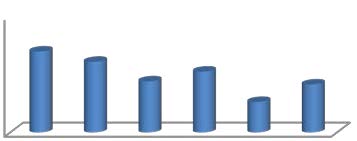
MTT assay results as shown in Tables 1 and 2 and illustrated in Figure 1 show the effect of exposure time versus mycotoxin concentration as it influences the curves representing mononuclear cell viability after exposure to single or combined mycotoxins (AFB1, OTA and FB1) are shown. The exposure of untreated cells with mycotoxins induced cell viability decreased from 99-97 % for untreated cells. In this study, the untreated cells were considered as control and constituted 100%. The exposure of cells with FB1 gave 90-84% and 87-81% of cell viability; 91-80% and 85-73% for AFB1; 85-78% and 83-69% for OTA respectively after dose 5 (dose 5 = 5 ng AFB1 and OTA and 5 µ/ml FB1) and 40 (dose 40 = 40 ng AFB1 and OTA and 40 µg/ml FB1) of mycotoxins concentration were exposed to and this between 12 and 48hrs of exposure. The combination of the three mycotoxins show a great decrease in viability as compared respectively to the combined two and single exposure with cell viability decrease up reaching 85-82% and 42-31% for OTA-FB1; 82-73% and 42-32% for OTA-AFB1 and 85-78% and 43-33% between 12 and 48hrs of exposure at respectively 5 and 40µg/ml of mycotoxins concentration (Table 1). The exposure to all three mycotoxins show a decrease in cell viability reaching up to 77-73% and 39-26 % of viable cells respectively at doses 5 and 40 of each toxin added of mycotoxins concentration between the same times of exposure. It was observed that singly, OTA induces the biggest decrease of cell viability, followed by AFB1 and then FB1 (Table 1 and Fig. 1).The results on cell inhibition ( 1). In addition, these results have shown that there is a dose dependentsynergetic effect depending on concentrations with the of the reaction being when the three mycotoxins combined at the dose 40 compared to low dose 5 when combined in twos (Table 1). It is important to mention the increased cell viability noted at dose 5 of all 3 mycotoxins at 24 hrs before a drop at 48 hrs (Figure 1). This increase could be explained by the fact that MTT assay is based on NDH cell activity reading, suspicion that at low dose an antagonistic effect could have been induced between the 3 mycotoxins that led to the NDH reduction potential redox leading to the production of NDH2-FAD causing antagonistic effects to mycotoxins activity at 24 hrs and then was reversed after a much longer exposure. Statistically, there were significant differences (P<0.050) found among data of three mycotoxins when exposed singularly over time (12, 24and 48hrs) and between data obtained at different concentrations of exposure. Significant differences (P<0.001) were obtained among data from combined mycotoxins and among data from all three mycotoxins combined, combination of two mycotoxins and single mycotoxins over time and concentrations.
Results obtained with Comet assay revealed a time and dose dependent response after mononuclear cells are exposed to different mycotoxins (AFB1, OTA, and FB1) singularly or in combination and are summarised in Table3 and illustrated in Fig. 3. In this study, the score of 400 and above means the toxicity induced the death of all cells. Scores obtained with cells exposed to single mycotoxins indicated little effect on DNA as evidenced by the low scores. Cells exposed to FB1 alone showed lower scores of 37-80 and 175-231 respectively at 5µg/ml and 40 µg/ml between 12 and 48 hrs exposure; this is in comparison with AFB1 with scores of 50-90 and 169-253 and OTA with scores of 64-107 and 169-253 respectively at 5µg/ml and 40 µg/ml between 12 and 48 hrs of exposure. Similarly to the results obtained with the MTT cytotoxicity test, results obtained with mycotoxins combinations in twos were higher compared to single ones. the OTA-FB1 combination scores were 70-114 and 211-263, FB1-AFB1 were 75-120 and 206-265; OTA-AFB1 with 82-130 and 219-279 while the combination of all three mycotoxins gave scores of 110-132 and 217-284 respectively at doses 5 and 40 between 12 and 48 hrs of exposure. Statistical analysis revealed thatcomet assay results showed significant differences (P<0.001) found between data obtained with the three mycotoxins when exposed singularly over time at 12, 24 and 48hrs and between data obtained at the two different concentrations of exposure, as would be expected. Significant differences (P<0.050) were obtained among data from two combined mycotoxins and among data from all three mycotoxins combined, combination of two mycotoxins and single mycotoxins over time and concentrations. In addition, significant differences were obtained between data obtained from single mycotoxins and all three mycotoxins exposure (P<0.001). Among mixture data, significant differences (P<0.050) were between all data obtained after 12 and 48hrs and between 12 and 24hrs of cell exposure.
However, no differences were obtained between 24 and 48hrs with both concentrations (5 and 40). The absence of significant differences between 24 and 48hrs of exposure confirms as well the observations made with MTT assay and this finding shows as well that after 24hrs of exposure, there is a decrease of cytotoxicity induction after 24hrs reaching saturation between 24 and 48 hrs of cell exposure. Results obtained from the investigation into mycotoxins induction of apoptosis Table 4 and DNA cleavage Table 5 on mononuclear cells using a flow cytometer revealed a time-dose dependent increase of cell apoptosis after exposure to different mycotoxins (AFB1, OTA, and FB1) singularly or in combination. It was observed that FB1 single exposure induced apoptosis on mononuclear cells at 6-15% and 19-46% respectively at dose 5 and 40 between 12 to 48 hrs; AFB1 induced apoptosis at 8-23% and 23-58%, while OTA cells apoptotic induction varied between 11-16% and 26-69% of exposed cells respectively at 5 and 40 µg/ml for FB1 and for the rest mycotoxins at 5 or 40 ng/ml between 12 and 48 hrs of exposure.
These results correlate with those obtained with MTT trail and comet assay, results obtained with mycotoxins combinations in twos were higher compared to single ones. The combination of OTA-FB1 showed results varying between 13-45% and 39-79% of apoptotic cells; while FB1-AFB1 combination produced 12-46% and 41-71% of apoptosis and OTA-AFB1 combination results were 15-53% and 41-87%. The three mycotoxins combined induced apoptosis at 17-56% and 44-95% respectively at dose 5 and 40 between 12 and 48 hrs of exposure.Similar to the results obtained with the comet assay analysis, the apoptosis data analysis showed significant differences (P<0.050) between MTT assay data obtained from the exposure of cells with the three mycotoxins and each mycotoxin singularly over time (12, 24 and 48hrs) and between data obtained at different concentrations of exposure. Significant differences (P<0.050) were obtained among data from combined mycotoxins and data from all three mycotoxins combined, between combination of two mycotoxins and single mycotoxins over time and concentrations. Significant differences were obtained between data obtained from single mycotoxins and all three mycotoxins exposure (P<0.001). Among mixture data, significant differences (P<0.050) were among data obtained after 12 and 48hrs and between 12 and 24hrs of cell exposure. However, no differences were obtained between 24 and 48hrs with both concentrations (5 and 40). The absence of significant differences between 24 and 48hrs of exposure confirms as well the observations made with MTT assay and this finding shows well that after 24hrs of exposure there is a decrease of cytotoxicity induction after 24hrs reaching saturation between 24 and 48 hrs of cell exposure. Figures 7-10 show the apoptosis induction on mononuclear cell layout illustrations by flow cytometry for FB1, AFB1 and OTA combined in twos and all three together after 24hrs of incubation.One of the later steps in apoptosis is DNA fragmentation, a process which results from the activation of endonucleases during the apoptotic programme.
The comet assay scoring method being subjective, as this scoring of DNA damage was done arbitrarily based on visual judgement. The flow cytometer was then used to evaluate and confirm the DNA damage (DNA cleavage) of mononuclear cells previously done on comet assay and the mean percentage of apoptotic cells undergoing DNA cleavage due to mycotoxins exposure was obtained by flow cytometry. The results obtained from this study are summarized in Table 3 and illustrated in Figure 11 and Figure 12.
Single and combined mycotoxins (AFB1, OTA, and FB1) exposure to mononuclear cells showed an induction of DNA cleavage which was time and dose dependant. Single mycotoxin exposed with cells showed lower cytotoxicity effects compared to combined mycotoxins. Figure 3 : comparison study of cell apoptosis induction between cells exposed to mycotoxins combined in twos and cells exposed to all three mycotoxins combined by flow cytometry.
13. Global Journal of
Fumonisin B1, when exposed singularly, induced mononuclear cell's DNA cleavage in 4-13 % and 18-38% respectively at dose 5 and 40 between 12 to 48 hrs; AFB1 induced apoptosis at 5-21% and 21-55%, while OTA DNA cleavage inductions were 8-19% and 19-58% of exposed cells respectively at dose 5 and 40 between 12 and 48 hrs of exposure. These results correlate with those obtained with MTT cytotoxicity assay and comet assay, results obtained with mycotoxins combinations in twos were higher compared to single ones.
The combination of OTA-FB1 showed DNA cleavage induction in 12-43% and 37-71% of apoptotic cells; while FB1-AFB1 combination produced 10-41% and 39-69% of cleaved DNA and OTA-AFB1 combination results were of 13-49% and 37-86%. The three mycotoxins combined revealed DNA cleavage at 15-59% and 42-92% respectively at dose 5 and 40 at 12, 24 and 48 hrs of exposure. In this study, significant differences (P<0.050) were obtained among single mycotoxins, combined in twos, single and combined in twos, all groups at dose 5 and 40, all groups at 12, 24 and 48hrs of exposure.
In addition, significant differences (P<0.001) were seen in all studied groups at dose 5 and 40. Figure 2 illustrates a layout of the DNA cleavage (%) of apoptotic mononuclear cells by Flow Cytometer for FB1, AFB1 and OTA combined in twos and all three together after 24hours of incubation.
Results obtained with linear regression studies showed correlations between all three techniques. Two linear regression analyses were plotted and the first one (Figure 4) used the apoptosis data as the dependent variable while MTT data was considered as the independent one. A linear regression equation was obtained as well as a regression coefficient (R = 0.810).
14. Global Journal of
Although not perfect, it follows the linear regression equation: This shows that APOPTOSIS = 101.645 -(0.897 * MTT % CELL VIABILITY) Finally a multiple linear regression analysis was done (Figure 5) to assess if the toxicity can be predicted using DNA cleavage data as a dependant variable and data from the other three test (Comet assay; Apoptosis and MTT % cell viability) as independent variable. The second regression study was the one in which DNA cleavage data was considered as dependent variable while comet assay data was considered as the independent one. As in the first study, the regression (R = 0.853) coefficient was lower than the ideal which needed to be next to 1. This low regression coefficient can be explained by data variability within different methods.
DNA cleavage = -6.434 + (0.280 * COMET ASSAY)
This study shows a positive regression coefficient (R = 0.994) and a regression equation was obtained. The regression coefficient R obtained here was of about ±1 revealing that in this study, one can predict toxicity induced by AFB1, OTA and FB1 using one of the four methods used in this study but in addition, confirmed the correlation between the three methods. Statistically, all independent variables appear to contribute to predicting DNA cleavage (P < 0.050). IV.
15. Discussion
The choice of peripheral blood mononuclear cell (PBMC) in this study is justified by their composition including mainly lymphocytes consisting of T cells (CD4 and CD8 positive ~75%), B cells and NK cells (~25% combined) and monocytes and macrophage because of their critical role in the immune system to fight infection and adapt to infections in the first place [41].
It was noted in this study that at dose 5 of exposure in all combinations, no synergistic effect was observed. However, at low doses, only chronic exposure (24hrs) of cells to mycotoxins was needed in order to be able to observe significant toxicity. These confirm results obtained by Timbrell [46]who also found similar results in his studies on cell toxicity.
The absence of additive effects when two or three mycotoxins were combined as observed in this study and confirmed in all three methods can be explained by a possible inhibition or competition among these mycotoxins. There are evidences that FB1 when combined with OTA or AF1 induced low cytotoxicity in comparison to the OTA and AFB1 combination. This inhibitive effect of FB1 might be explained by the mode of action and low toxicity. These results are similar to those obtained by Mwanza et al [36] on MTT cells. Theinhibition of FB1 on the two other mycotoxins used in this study might explain also the absence of additive rather than synergistic effect when the three mycotoxins were combined [36].
The methyl thiazoltetrazolium (MTT) assay is based on the action of living cells to convert a soluble yellow tetrazolium salt [3-(4, 5-dimethylthiazol-2-yl)-2, 5diphenyl-tetrazolium bromide] into insoluble purple formazan crystals. The reaction is catalysed by mitochondrial succinyl dehydrogenase and requires NADH, which has to be supplied by the living cells, thus providing an indication about mitochondrial or respiratory activity [37; 42; 43; 44; 45] hence providing information on cell viability and cell proliferation, after their exposure to xenobiotic agents. Significant decrease of cell viability was observed when all three mycotoxins were combined as compared to single or two combinations.
In addition, higher cytotoxicity induction characterised by rapid decrease in cell viability was observed between 0 and 24hrs in comparison to the effects observed between 24 and 48hrs of exposure (Fig. 1). This could mean that the cytotoxicity induced was high between 12 and 24hrs and reached saturation between 24 and 48 hrs in both single and combined mycotoxins between 12 and 24 hrs exposure. The inhibition results (Table 2) obtained from the MTT assay in comparison to calculated results expected by adding individual results of each mycotoxin (FB1, OTA and AFB1) (Table 3) have shown that there is synergistic effect between the three mycotoxins at the dose 40 ng/ml and 5ng/ml 40 µg/ml. while at dose 5µg/ml the effects were additive rather than synergistic. The absence of synergism effects at the dose 5 in all combinations can be explained by low doses of mycotoxins exposed as well as by the time of cell exposure to mycotoxins. The probability is that at low doses longer exposure periods of cells to mycotoxins are needed to induce measurable toxicity [46]. Mycotoxins were mixed and exposed to mononuclear cells. Result obtained in this study showed dose dependent synergistic effect was observed when mycotoxins were combined as compared to single mycotoxins.
Statistically, comparison showed that there were significant differences (P<0.050) found among data of three mycotoxins when exposed singularly over time (12, 24 and 48hrs) and between data obtained at different concentrations of exposure. Significant differences (P<0.001) were obtained among data from combined mycotoxins and between all data from all three mycotoxins combined over time and concentrations.
Obtained results on flow cytometry (Table 4) have shown that in contrast to necrosis, which is a form of traumatic cell death that results from acute cellular injury, apoptosis is a process of programmed cell death that remove individual cells that are no longer needed or that function abnormally without inducing inflammatory reaction noxious to surrounding cells [48] and hence it plays a major role during development and homeostasis. The difference between results obtained in Table 3 on comet assay as compared to DNA cleavage (Table 5) obtained on flow cytometry mostly concerned the methodology. The DNA damage observed with the comet assay is the DNAwhich converts lesions to DNA breaks, increasing the amount of DNA in the comet tail due to mycotoxins effects (46). Results obtained with the flow cytometry (Table 5) are the effects of the DNA strands cleavage dueto a reaction of the covalent sugarphosphate linkages between nucleotides that compose the sugar phosphate backbone of DNA. It is catalysed enzymatically, chemically or by radiation in which the cleavage may be exonucleolyticremoving the end nucleotide, or endonucleolytic splitting the strand into two (46).
Apoptosis occurs when a cell is damaged beyond repair, infected with a virus, or undergoing stressful conditions such as starvation. Damage to DNA from ionizing radiation or toxic chemicals can also induce apoptosis via the actions of the tumoursuppressing gene p53 [48]. In general, any substance that causes DNA damage or anything that produces necrosis by direct cell destruction can induce apoptosis
16. Volume XIV Issue II Version I
Year 2014
17. ( B )
if the cell initially survives [48] which invariably suggest that mycotoxins with genotoxic properties at non acute toxic concentration would shift the balance between necrosis and apoptosis to the latter as observed in this study. Therefore, understanding the mechanism of mycotoxin actions at bio molecular levels, particularly with regards to alterations of DNA in the nucleus and mitochondria may explain the dose-dependent apoptotic pattern of cell death induced by the studied mycotoxins. These results are in line with those obtained by Domijan [49]. In their study on comet assay exposed rats kidney cells with ochratoxin A and fumonisin B1 also observed synergistic increase in the tail intensity when OTA and FB1 were combined. The aim of this study was to assess the single and combined cytotoxic effects of mycotoxins on mononuclear cells and to predict their possible impact on the human's immunity. Observations made in the three experiments revealed that similar results were obtained with higher cytotoxic potent activity of OTA and AFB1 compared to FB1. The OTA-AFB1 showed a slightly higher toxicity as compared to FB1-OTA or FB1-AFB. The mixture of the three toxins showed a significant higher toxicity as compared to the single and combined mycotoxins effects in the three studies. Another important observation made in the three experiments was that in general low doses of mycotoxins (5ng/ml and 5µg/ml exposures) between 24 and 48 hrs of exposure showed slow recoveries orplateaus also called "adaptive response" [46; 50].
It is likely that these represent a most dangerous status, as this could lead up to mutations and cellular stimulations or cancer [46; 50; 51]. The slightly low and inhibitive action observed with FB1 in all four studies correlate with the findings of Minervini [52] who in their studies on the toxicity of the nivalenol (NIV), deoxynivalenol (DON) and FB1 in the K562 human erythroleukemia cell line using the Trypan Blue, MTT and BrdU (uptake for cytotoxicity analysis, found that cellular metabolism and proliferation, respectively on flow cytometry were for both NIV and DON significantly more toxic than FB1. In addition they correlate are in correlation with the results obtained by Theumer [53] in an in vivo study on immuno-biological effects of FB1 and AFB1 in experimental sub-chronic mycotoxicoses in rats in which FB1 induced low effects compared to AFB1.
The cytotoxicity of OTA can be explained by its ability to directly inhibit enzymes involved in phenylalanine metabolism as mentioned in the Introduction). In return, this has an effect on DNA, RNA, and protein synthesis, presumably due to an effect by the phenylalanine moiety of the molecule [27]. The cytotoxic potential shown by AFB1 is explained by its inhibiting capacity of both DNA and RNA synthesis [54] and the activated AFB1 metabolite formation of a covalent bond with the N7 of guanine [55] and AFB1-n7guanine adduct in the target cells resulting in transversions of G-T bond, DNA repair, lesions, mutations and subsequently tumour formation [56], or the possibility of hydrolysing to AFB1-8, 9-dihydrodiol that ionizes to form a Schiff's base with primary amine groups in the proteins [57]. During in vitro studies of rat liver mitochondria it was observed that OTA inhibited the respiration of whole mitochondria, by acting as a competitive inhibitor of carrier proteins located in the inner mitochondrial membrane [58].
The understanding of the cellular effects of the three toxins used in the three experiments might also be residing at the genomic level. Aflatoxin B1 is metabolized, mainly in the liver, into AFB1-8,9-exoepoxide and 8,9-endo-epoxide, but it is the exo-epoxide that binds to DNA to form the predominant 8,9-dihydro-8-(N7-guanyl) 9-hydroxy AFB1 (AFB1-N7-Gua) adduct [59]. AFB1-N7-Gua can result in two secondary lesions, an apurinic site and a more stable ring opened AFB1formamidopyrimidine (AFB1-FAPY) adduct; the latter is far more persistent in vivo than AFB1-N7-Gua [59;60]. Under this pathological condition, oxidative stress is elicited which activates the caspase-3 cysteine proteases that mediate the apoptotic cascade [61]. It has also shown by Golli-Bennour [62] that AFB1 and OTA separately and in combination, are involved in apoptotic processes in cultured monkey kidney Vero cells by causing increased DNA fragmentation with consequent activation of p53 tumour suppressor protein and suppression of production of anti-apoptotic factor bcl-2. Ochratoxin A has also been established to facilitate apoptosis by causing the reduction of protein synthesis [15] and increasing caspase-3 activity, DNA fragmentation and chromatin condensation [63]. Caspase-dependent mitochondrial alterations and triggering of the activity of p53 are other mechanisms by which OTA induces apoptosis [61].
18. Global Journal of
The relative concentration of apoptotic mediators will essentially, determine the outcome of TNF receptor stimulation.
The TNFR1 may activate apoptosis JNK activation which in return,inhibits the antiapoptotic protein Bcl-2.
Once Bcl-2 is inhibited, cytochrome C is released from mitochondria into the cytosol where it activates Apaf-1, which may associate with caspases and thereby initiate apoptosis. Alternatively, the TNFR2 may, together with TNFR1, activate NF-?? which may inhibit apoptosis. Unlike the other mycotoxins, fumonisins elicitation of apoptosis seems to be mainly non genotoxic, as FB1 does not interact with DNA but inhibits the enzyme ceramide synthase, thereby disrupting de novo sphingolipid biosynthesis, overall sphingolipid metabolism and, consequently, the accumulation of sphingoid bases whith sphingolipid-mediated regulation of important cell functions including apoptosis and mitosis [64,65]. Fumonisin B1-induced apoptosis is also known to be mediated by the cytokine tumour necrosis factor (?TNF) pathway [64]. Tumour necrosis factor (TNF) is involved in the regulation of apoptosis and cell replication just as like sphingoid bases, sphinganine and sphingosine sphingolipids. It must be pointed out here that the AFB1 and OTA can also induce apoptosis via non genotoxic route by inhibiting macromolecular synthesis, which disrupts many lipids/protein/DNA-mediated cell function regulations with consequent deregulation of processes including apoptosis [65]. The finding that tested toxins induced cell death mainly via apoptosis is in excellent consistency with many reports [1; 43; 67].The mechanism of FB1 effect in the presence of other mycotoxins, such as OTA and AFB1 on the immune system, remains unknown to date. It has been shown in the four experiments that, when combined with one of the two mycotoxins used here it induces a low inhibitive effect. The FB1 low toxicity which was observed throughout in the three experiments (MTT, comet assay, flow cytometer) is similar to results obtained in studies done by Bondy and Pestka [67] on the effects of FB1 on immune system in chicken. In addition, Mwanza [36] on cytotoxic effects of OTA and FB1 on pigs and human mononuclear cells, confirmed the relative low and inhibitive effect of FB1 when combined together. However, these toxins were also found to cause both stimulation and suppression of responses to foreign antigen. The immuno-modulatory properties of FB1, mostly depend on its effect on lipid metabolism, antioxidant/pro -oxidant balance and interactions with other factors such as CD3 receptors expression, decrease in the thymus seen both in vivo and in vitro studies [68]. In addition, this FB1 immunologic effect is confirmed by another study on bovine lymphocytes cells, which caused significant micronucleus formation [69]. Fumonisin B1 also inhibits other intracellular enzymes including protein phosphatase and arginosuccinate synthase [70]. Therefore, the cytotoxicity of FB1 exerts its toxicity through its ability to inhibit sphingolipid metabolism, protein metabolism and the urea cycle. The FB1 apoptosis induction and DNA damage seen in this study have been confirmed by Domijan [49].In their study of oxidative status and DNA damage in rats they observed DNA lesions in the kidney cells of experimental animals. The FB1 carcinogenic role, however, has been linked to the accumulation of sphingoid bases that cause unscheduled DNA synthesis [71] alteration of signalling by cAMP [72] and disruption of normal cell cycling [73].
19. Global
Aflatoxin B1 effects observed on mononuclear cells can be explained by its immuno-suppressive ability to act primarily on cell mediated and phagocytic function [74]. Aflatoxin B1 has been shown to act on mononuclear cells activity as well as macrophages [74]. Thymus is also a target organ for aflatoxin in which thymic involution results with the loss of cortical thymocytes. It is primarily the cell-mediated immune responses that are affected by aflatoxin; prominent among these are diminished responses in delayed cutaneous hypersensitivity, graft-versus-host reaction, leukocyte migration and lymphoblastogenesis [75]. Aflatoxin also reduces phagocyte activity in a doserelated manner. Some humoral components are diminished by aflatoxin, including complement (C4), interferon, IgG and IgA, but not IgM, which is not affected. However, high levels of aflatoxin will affect antibody titres and gut-associated lymph tissue or the bursa of Fabricius in poultry [75]. The immunosuppressive effect of AFB1 was also observed by Marin [76] who found that AFB1 reduces the proinflammatory cytokine and increased anti-inflammatory cytokine mRNA expression in weanling piglets.
Although Creppy [1] in their study on cells revealed the potential synergistic effects of mycotoxins combination it was anticipated that comparable effects on human lymphocytes would induce immunosuppression and poor responses to immunisation and treatment when exposed to single or combined toxins. The high decrease in cell viability observed when FB1 and OTA are combined indicates a synergistic activity of both toxins action, which induces a stronger metabolic suppression activity on lymphocytes at low concentrations, which increases also with concentration and this effect has been reported before in others studies [1]. Thus, it poses a problem for feeds derived from crop grown in temperate areas where the possibility of both mycotoxins occurring in feeds and foods is possible.
20. Volume XIV Issue II Version I
Year 2014 ( B )
V.
21. Conclusion
This study has shown that a synergistic effect of FB1, OTA and AFB1 may be induced when exposed to mononuclear cell dependent of concentration and time of exposure. However, it was observed that the FB1 induces an inhibitive effect when combined with OTA and AFB1. These results agree with the hypothesis that the combination of the three mycotoxins currently considered as the most important contaminant in both animal feed and human food, can induce increased immuno-suppression and increase cases of immunisation and treatment failure currently observed in treated patients suffering from chronic diseases such as tuberculosis, malaria, cancers and HIV-AID. The novelty of this work is that, this is a first report done with the three mycotoxins combined and analysed using three different methods confirming their cytotoxicity.

| Year 2014 |
| 4 |
| Volume XIV Issue II Version I |
| ( ) B |
| Medical Research |
| Global Journal of |
| Mycotoxins + Conc*. | Exposure time | Mean | Std Dev | SEM | |
| (hours) | (% cell viability) | ||||
| FB1 | 5 | 12hrs | 90.8 | 0.3 | 0.1 |
| FB1 | 5 | 24hrs | 88.1 | 0.7 | 0.4 |
| FB1 | 5 | 48hrs | 84.1 | 0.3 | 0.1 |
| FB1 | 40 | 12hrs | 87.0 | 0.3 | 0.2 |
| FB1 | 40 | 24hrs | 80.0 | 0.6 | 0.3 |
| FB1 | 40 | 48hrs | 81.7 | 1.0 | 0.6 |
| AFB | 5 | 12hrs | 91.1 | 0.8 | 0.4 |
| AFB | 5 | 24hrs | 86.5 | 0.8 | 0.5 |
| AFB | 5 | 48hrs | 90.2 | 0.6 | 0.3 |
| AFB | 40 | 12hrs | 85.8 | 0.5 | 0.3 |
| AFB | 40 | 24hrs | 74.8 | 0.7 | 0.4 |
| AFB | 40 | 48hrs | 73.1 | 0.4 | 0.2 |
| OTA | 5 | 12hrs | 91.1 | 0.9 | 0.5 |
| OTA | 5 | 48hrs | 83.3 | 1.0 | 0.5 |
| OTA | 5 | 24hrs | 88.1 | 1.4 | 0.8 |
| OTA | 40 | 12hrs | 83.1 | 0.6 | 0.3 |
| OTA | 40 | 24hrs | 72.9 | 0.5 | 0.2 |
| OTA | 40 | 48hrs | 69.9 | 0.4 | 0.2 |
| OTA-FB1 | 5 | 12hrs | 85.2 | 0.6 | 0.3 |
| OTA-FB1 | 5 | 24hrs | 81.4 | 0.9 | 0.5 |
| OTA-FB1 | 5 | 48hrs | 78.0 | 0.5 | 0.3 |
| OTA-AFB1 | 5 | 12hrs | 82.8 | 0.6 | 0.3 |
| OTA-AFB1 | 5 | 24hrs | 80.6 | 0.9 | 0.5 |
| OTA-AFB1 | 5 | 48hrs | 73.9 | 1.0 | 0.6 |
| FB1-AFB1 | 5 | 12hrs | 85.5 | 0.9 | 0.5 |
| FB1-AFB1 | 5 | 24hrs | 82.8 | 0.3 | 0.2 |
| FB1-AFB1 | 5 | 48hrs | 78.6 | 1.1 | 0.6 |
| OTA-FB1 | 40 | 12hrs | 42.2 | 0.5 | 0.2 |
| OTA-FB1 | 40 | 24hrs | 35.6 | 0.5 | 0.3 |
| OTA-FB1 | 40 | 48hrs | 31.9 | 1.3 | 0.7 |
| OTA-AFB1 | 40 | 12hrs | 42.8 | 0.6 | 0.4 |
| Time (hr) | Aflatoxin B 1 | Fumonisin B 1 | Ochratoxin A | |||
| 5?g/ml | 40?g/ml | 5?g/ml | 40?g/ml | 5?g/ml | 40?g/ml | |
| 12 | 9 | 14 | 10 | 13 | 9 | 17 |
| 24 | 13 | 25 | 12 | 20 | 17 | 28 |
| 48 | 10 | 27 | 16 | 19 | 12 | 30 |
| Mycotoxins + Conc*. | Exposure time | Mean | Std Dev | SEM | ||
| Year 2014 | FB1 FB1 FB1 | 5 5 5 | (hours) 12hrs 24hrs 48hrs | (% DNA damage) 37.5 62.2 80.7 | 4.4 11.5 2.2 | 2.2 5.7 1.1 |
| 12 | FB1 FB1 | 40 40 | 12hrs 24hrs | 175.5 198.5 | 40.0 23.3 | 20.0 11.6 |
| Volume XIV Issue II Version I B ( ) | FB1 AFB1 AFB1 AFB1 AFB1 AFB1 AFB1 OTA OTA OTA OTA OTA OTA OTA -FB1 5 40 5 5 5 40 40 40 5 5 5 40 40 40 OTA -FB1 5 OTA -FB1 5 | 48hrs 12 hrs 24 hrs 48 hrs 12 hrs 24 hrs 48 hrs 12hrs 24hrs 48hrs 12hrs 24hrs 48hrs 12hrs 24hrs 48hrs | 231.7 50.5 66.5 93.7 169.5 201.5 253.5 64.5 88.7 107.2 169.5 201.5 253.5 70.5 111.2 114.0 | 3.9 3.6 6.3 8.6 20. 0 9.6 5.7 6.6 9.0 10.1 20.0 9.6 5.7 3.6 6.3 4.0 | 1.9 1.8 3.1 4.3 10.0 4.8 2.8 3.3 4.5 5.0 10.0 4.8 2.8 1.8 3.1 2.0 | |
| Medical Research | FB1-AFB1 5 FB1-AFB1 5 FB1-AFB1 5 OTA-AFB1 5 OTA-AFB1 5 OTA-AFB1 5 OTA -FB1 40 | 12hrs 24hrs 48hrs 12hrs 24hrs 48hrs 12hrs | 75.7 98.0 120.0 82.5 103.2 130.2 211.0 | 4.7 8.0 5.8 13.9 4.0 4.8 21.8 | 2.3 4.0 2.9 6.9 2.0 2.4 10.9 | |
| OTA -FB1 40 | 24hrs | 233.2 | 16.6 | 8.3 | ||
| OTA -FB1 40 | 48hrs | 263.0 | 2.5 | 1.2 | ||
| OTA-AFB140 | 12hrs | 219.7 | 8.1 | 4.0 | ||
| OTA-AFB140 | 24hrs | 240.5 | 38.2 | 19.1 | ||
| OTA-AFB140 | 48hrs | 279.0 | 6.3 | 3.1 | ||
| FB1-AFB1 40 | 12hrs | 206.2 | 15.5 | 7.7 | ||
| FB1-AFB1 40 | 24hrs | 221.2 | 19.2 | 9.6 | ||
| FB1-AFB1 40 | 48hrs | 265.0 | 4.0 | 2.0 | ||
| MIXTURE 5 | 12hrs | 110.0 | 6.7 | 3.3 | ||
| MIXTURE 5 | 24hrs | 125.2 | 11.9 | 5.9 | ||
| MIXTURE 5 | 48hrs | 132.7 | 4.7 | 2.3 | ||
| MIXTURE 40 | 12hrs | 217.7 | 6.1 | 3.0 | ||
| MIXTURE 40 | 24hrs | 250.5 | 21.7 | 10.8 | ||
| MIXTURE 40 | 48hrs | 284.0 | 11.5 | 5.7 | ||
| *Individual and mixtures concentrations of aflatoxins and ochratoxins concentrations are in (ng/ml) and | ||||||
| fumonisin B1 concentration is in (µg/ml). | ||||||
| Mycotoxins + Conc*. | Exposure time | Mean | Std Dev | SEM | |
| (hours) | (% apoptotic cells) | ||||
| FB1 | 5 | 12hrs | 6.1 | 0.6 | 0.3 |
| FB1 | 5 | 24hrs | 9.2 | 0.4 | 0.2 |
| FB1 | 5 | 48hrs | 15.8 | 0.5 | 0.3 |
| FB1 | 40 | 12hrs | 19.7 | 0.5 | 0.3 |
| FB1 | 40 | 24hrs | 33.1 | 0.6 | 0.4 |
| FB1 | 40 | 48hrs | 46.6 | 0.1 | 0.0 |
| AFB | 5 | 12hrs | 8.2 | 0.7 | 0.4 |
| AFB | 5 | 24hrs | 12.1 | 0.2 | 0.1 |
| AFB | 5 | 48hrs | 23.7 | 0.4 | 0.2 |
| AFB | 40 | 12hrs | 23.6 | 0.7 | 0.4 |
| AFB | 40 | 24hrs | 47.6 | 0.6 | 0.3 |
| AFB | 40 | 48hrs | 58.6 | 0.5 | 0.3 |
| OTA | 5 | 12hrs | 11.0 | 0.7 | 0.4 |
| Year 2014 |
| Volume XIV Issue II Version I |
| B ) |
| ( |