1.
Methods: A facility-based cross-sectional study design was employed among 362 randomly identified mothers visiting Bale Zone Hospitals for antenatal care in May 2014. Data were collected through interviewer-administered questionnaires and analyzed using SPSS version 16.0 software. Descriptive, bivariate and multivariate analyses were used to determine prevalence and identifying associated factors of unplanned pregnancy by considering p-value of 0.05. The results were presented in a narrative forms, tables and graphs.
Results: From the total respondents, 135(37.3%) faced unplanned pregnancy (97(26.9%) mistimed and 38(10.6%) were unwanted). The main reasons of facing unplanned pregnancy was forgetting taking contraceptive 35(25.93%), husband preference 31(22.96%) and religious prohibition 17(12.6%). Thus, forgot taking contraceptive, husband preference and religious prohibition were among the main reason for being unplanned pregnancy. Age of the respondents, educational status of the respondents and their husband, occupation of the respondents and their husband, decision making style in household, time elapsed to reach near health facility providing contraceptives, ever utilizations of any types of contraceptive methods, having child before and number of children they have were the independent variables that significantly associated with unplanned pregnancy.
2. I. Background
nplanned pregnancies have a negative consequence on the women themselves, for their children, siblings and the society as a whole. Because pregnancy exposes women especially, poor women to health risk, simply by increasing the numbers of pregnancies and the delivery in their lifetime (1). On the other hand, unplanned pregnancy is one of the major reasons that expose women for unsafe abortion that results about 125,000 -200,000 female deaths annually in developing countries (2).
Globally, from 210 million pregnancies that occur each year, 38% were unplanned and out of this unplanned pregnancy, 22% end with abortion. From this abortion, 40% of them were done on women aged less than 25 years, and about 68 000 women die every year from complications of unsafe abortion (3). From the total eighty-five million pregnancies occur globally, 40% of all them were unintended in 2012. From these unintended pregnancies, 50%, 13% and 38% them ended in abortion, miscarriage and unplanned birth respectively (4). An estimated 50 million induced abortion were performed each year as result of unplanned pregnancies of which 95% of them were in developing countries (5). In most developing countries, about 20% -60% of married women or about 120 million women that need to avoid pregnancy become pregnant (5). Although several international declarations were passed on the problem, many women in sub-Saharan Africa are suffering from unwanted pregnancies (6). In Sub-Saharan Africa, where about 86 unintended pregnancies occur for every 1000 women, one third of them end with unsafe abortion (7).
In Ethiopia, the situation is not different from developing countries; women suffer from problem of unplanned pregnancy. According to the EDHS-2011, about 28.3 % of total last pregnancy were unplanned (19.5% and 8.8 % were unwanted and mistimed respectively) (8). The magnitude and main reasons for this problem had still not well known in Bale Ethiopia. Therefore, this study assessed the prevalence of unplanned pregnancy and associated factors among pregnant mothers attending antenatal care at Bale Zone Hospitals, Oromiya Region, Southeast Ethiopia.
3. II. Methodology a) Study setting and participation
Facility based cross sectional study was conducted among three hundred sixty two women attending antenatal care in May 2014 in Bale Zone hospitals, Oromiya Regional State, Southeast Ethiopia. The Zone has four hospitals (Robe, Goba, Ginnir and Dalloo Manna hospitals) from which two (Robe and Ginnir Hospitals) of them were randomly selected. The sample was proportionally allocated for the hospitals based on their load of women who follows ANC services in that hospital. Finally, study subjects were addressed through systematic random sampling.
The sample was determined using single population proportion formula with an assumption of level of confidence of the study 95%, sampling error tolerated 5%, proportion of unplanned pregnancy (P) 34% used from the study done in Hosainna Town, South Nation Nationalities and population ( SNNR), Ethiopia (9) and 10% non-response rate were considered.
4. b) Instruments and Data collection methods
Structured questionnaires, which address the objectives of the study, were adapted from pertinent literatures. The questionnaire was translated into the local language -Afan Oromo and retranslated back to English. Pre-test was done on 5% of sample size in Goba hospital before actual data collections were took place to made necessary amendment. Data collection was made through interviewer-administered questionnaire.
5. c) Data Processing and analysis
Data entered into EpiData version 3.1 and exported to SPSS version 16.0 for an analysis. Descriptive analysis was made to determine the prevalence of unplanned pregnancy. Bivariate and multivariate analyses were used to identify associated factors of unplanned pregnancy; accordingly, a p-value of 0.05 was considered to identify significantly associated variables.
6. d) Ethical Considerations
Ethical clearance and approval was obtained from the Ethical Review Committee of Madawalabu University. A supportive letter was obtained from University Research Directorate of the University to the Hospitals. Permission was obtained from Hospital manager to implement the study. Prior to discussion and interview, the objectives of the study were clearly explained to the participants and oral informed consent was obtained. Confidentiality and anonymity were ensured throughout the execution of the study as participants were not require to explain their name. Participants were informed that their participation were voluntary and can withdraw from the study at any time if they wish to do so.
7. III. RESULTS
8. a) Socio-demographic Characteristics
The response rate of this study was 100%. From 362 study participants, 240 (66.3%) of them were in age group of 20-29 years that was followed by 30-39 age group 68 (18.18%). Nearly one third of respondents were 1-8 th grade 108(29.8%) and illiterate 71(19.6%). Concerning ethnicity of the respondent, majority of them were Oromo 280 (77.3%) and followed by Amhara 58(16%). Regarding their religion 214 (59.1%) of them were Muslim followed by Orthodox Christianity 109(30%). Majority of respondents were married and lives in Urban that were 342 (94.5 % ) and 267(73.8%) respectively. From the total married respondents, 87(25.4%) of their husbands were 1-8 th grade complete and followed by certificate and above 82 (23.9%). To the occupational status of their husbands 87(25.43%) of them were merchants.More than half 229 (63.3%) of the respondents can access the health facility within ? 30 minutes while 89 (24.6%) of them access the health facility within 30 -60 minutes from their residence [Table -1].
9. b) The Current Pregnancy Status of the Respondents
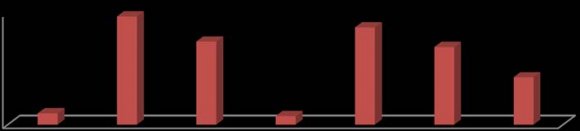
From the total respondents, 135 (37.5%) of their current pregnancy were unplanned. From these 135 unplanned pregnancy, 97 (26.9%) were mistimed and 38 (10.6%) were unwanted totally. The most reasons why they experienced currently unplanned pregnancy were husband preference 39(25%), forgetting taking contraceptives 35(22.4%), unprotected sexual intercourses 30 (19.2%) and religious prohibition 28 (12.6%) respectively [Figure -1]. c) Unplanned pregnancy and associated factors Binary and multiple logistic regressions were done to analyze factors associated with unplanned pregnancy at P-value less than 0.05. Accordingly, age of respondents, marital status, educational status of respondents and their husbands, residence of respondents, occupation of respondents and their husbands, average monthly incomes and time taken to reach near health facility providing any types of contraceptives showed significant association with unplanned pregnancy. Similarly, decision-making style in households, being heard information about family planning methods, history of any types of contraceptive methods utilizations, being pregnant before, having child before, number of children, desire to have more children in future and history of abortion also identified as associated variables using bivariate analysis.
However, age of respondents, educational status of respondents and their husbands, occupation of respondents and their husbands, decision making style in households, time respondents elapse to reach near health facility providing contraceptives, history of any types of contraceptive methods utilizations, having child before and number of children were the predictor variables that significantly associated with unplanned pregnancy.
Women's age with 20 -29 years were 0.2 times less likely to have unplanned pregnancy as compared to women with 40 -49 years old (AOR = 0.235, 95% CI: 0.058, 0.954). Women that had educational level of 10+, certificate and above were also 0.3 times less likely to encountered unplanned pregnancy (AOR = 0.312, 95% CI: 0.259, 0.656). Again, women that become government employee were 0.7 times less likely to face unplanned pregnancy (AOR = 0.785, 95% CI: 0.287, 0.751). In similar way, women that took less than 30 minutes to reach health facilities were 0.6 times less likely to face unplanned pregnancy, when compared to those women that elapse more than 60 minutes to reach health facilities (AOR = 0.678, 95% CI: 0.559 , 0.804). Women that used any type of contraceptive method before were 0.6 times less likely to face unplanned pregnancy, when compared with women that no used contraceptives before (AOR = 0.632, 95% CI: 0.385, 0.831).
On other hand, those women whose husband made decision were almost 3 times more likely to have unplanned pregnancies as compared to those make decision together (AOR = 2.797, 95% CI: 1.377, 5.681). Similarly, women that had child before were also at high risk of developing unplanned pregnancy compared to those have no children (AOR = 3.905, 95% CI: 2.087, 7.307) [Table 3].
10. IV. Discussions
This study has assessed prevalence and associated factors of unplanned pregnancy among pregnant women attending antenatal care in Bale Zone Hospitals, Oromiya regional state, Southeast Ethiopia. Accordingly, 135 (37.5%) of their current pregnancy were unplanned. From these unplanned pregnancy, 97 (26.9%) of them were mistimed and 38 (10.6%) were unwanted.
In contrary to this study results, a study done in Senegal showed that, 14.3% of ever-pregnant women reported having a recent unintended pregnancy (10). The difference may be due the both population have different background and at different locations. Study done in Amhara Region, Ethiopia, also showed lower magnitude of unintended pregnancy which was 26.0 % of which 13.7% were mistimed and while 12.3% were unwanted (11). The difference may be due to both study done on different background communities.
In similar to this study results, a study done in West Wollega, Ethiopia, 225 (36.5%) of pregnancy was unintended that156 (25.3%) wants to have baby later while other 69(11.2%) wants no more birth (10). The similarity may be due to both studies done nearly in the same years. The study done in SNNR Hossaina, Ethiopia also became concurrent with this study. Out of three hundred eighty five pregnancies, 131 (34%) were unintended, which have some difference with this study finding that resulted due to the study period difference and background of both community (9).
The most reasons why they experienced currently unplanned pregnancy were husband preference to had more children 39(25%), forgetting taking contraceptives 35(22.4%), unprotected sexual intercourses 30 (19.2%) and religious prohibition 28 (12.6%) respectively. In this study, age of respondents, educational status of respondents and their husbands, occupation of respondents and their husbands, decision making style in households, time respondents elapse to reach near health facility providing contraceptives, history of any types of contraceptive methods utilizations, having child before and number of children were the predictor variables that significantly associated with unplanned pregnancy.
Similarly, study done in Amhara Region, Ethiopia reflected, lack of knowledge, disapproval by husband, and method failure were major reasons mentioned for failure to avoid unintended pregnancy. Differences in educational status of women and family size were the variables that significantly associated with unintended pregnancy (11). In West Wollega, Ethiopia, also age of respondents, total birth, ideal number of children, husband's disagreement to limit family size, family planning health worker visit and knowledge level of respondents were significantly contributing to unintended pregnancy (12).
In a study done in SNNR Hossaina, Ethiopia, the husband not wanting to limit family size, a desire for at least two children, the number of pregnancy 3 -4 and parity of 5 and above were factors significantly associated with unintended pregnancy (9).
11. a) Strengths and limitations
The study had 100% respondent rate and health professionals collected that able to decrease uncertainty while collection of the data. Out of the three administrative towns of the Zone, two of them were included in the study. Therefore, these findings can be generalized to entire population that lives in the alladministrative towns. Since the data were collected only by quantitative methods, it not addresses the information that possible to address only by qualitative methods. Therefore, in future it is better if both qualitative and quantitative methods of data collections is considered while conduction of investigation on similar study.
12. V. Conclusions
Findings of this study indicate unplanned pregnancy is the major reproductive health problems in the study area. Age of respondents, educational status of respondents and their husbands, occupation of respondents and their husbands, decision making style in households, time respondents elapse to reach near health facility providing contraceptives, history of any types of contraceptive methods utilizations, having child before and number of children were the predictor

| Variables | Frequency | Percentage (%) | |||
| Age of the respondent | |||||
| 1. | 15-19 years | 42 | 11.6 | ||
| 2. | 20-29 years | 240 | 66.3 | ||
| 3. | 30-39 years | 68 | 18.8 | ||
| 4. | 40-49 years | 12 | 3.3 | ||
| Total | 362 | 100 | |||
| Marital status | |||||
| 1. | Married | 342 | 94.5 | ||
| 2. 3. Total Widowed Divorce | Educational level | 8 12 362 | 2.2 3 100 | Year 2 015 | |
| 1. No formal education | 139 | 38.4 | |||
| 2. Grade: 1-8 | 108 | 29.8 | 23 | ||
| 3. Grade: 9-10 4. 10+, certificate and above Total 1. No formal education 2. Grade: 1-8 3. Grade: 9-10 4. 10+, certificate and above Total 1. Oromo 2. Amhara 3. Somali 4. Other* Total | 69 46 362 Educational status of the husband 84 87 62 109 342 Ethnicity 280 58 12 12 362 Religion | 19.1 12.7 100 24.6 25.4 18.1 31.9 100.0 77.3 16.0 3.3 3.3 100.0 | Volume XV Issue IV Version I D D D D ) | ||
| 1. Muslim | 214 | 59.1 | ( | ||
| 2. Orthodox 3. Protestant 4. Others** Total 1. Housewife 2. Employee | Occupation | 109 26 13 362 268 52 | 30.1 7.2 3.6 100 74.0 14.4 | Medical Research | |
| 3. Merchants 4. Students 5. Daily labors Total 1. Employee 2. Student | Occupation of the husband | 20 14 8 362 141 8 | 5.5 3.9 2.2 100.0 41.2 2.3 | Global Journal of | |
| 3. Daily labor | 29 | 8.5 | |||
| 4. Merchant | 87 | 25.4 | |||
| 5. Farmer | 77 | 22.5 | |||
| Total | 342 | 100.0 | |||
| Residence | |||||
| 1. Rural | 95 | 26.2 | |||
| 2. Urban | 267 | 73.6 | |||
| Total | 362 | 100 | |||
| Decision Makers | |||||
| Southeast Ethiopia, May 2014 | ||
| Age at first marriage | ||
| 1. <18 years | 86 | 23.8 |
| 2. ?18 years | 276 | 76.2 |
| Total | 362 | 100.0 |
| Age at first pregnant | ||
| 1. <20 years | 217 | 59.9 |
| 2. 20-24 years | 129 | 35.6 |
| 3. ? 25years | 16 | 4.4 |
| Total | 362 | 100 |
| Number of children of the respondents | ||
| 1. 1-2 children | 135 | 52.9 |
| 2. 3-4 children | 61 | 23.9 |
| 3. ? 5 children | 59 | 23.1 |
| Total | 362 | 100 |
| Year 2 015 | |||||||||
| 25 | |||||||||
| Socio demographic Age of respondent Marital Status | Alternatives 15-19 years 20-29 years 30 -39 years 40 -49 years Married Divorce Widowed | Current Pregnancy Yes 27 15 165 75 32 36 3 9 222 120 4 8 1 7 No Planned | 0.185 (0.043 -0.790) * 0.152 (0.040 -0.576) * 0.375 (0.093 -1.507) 1.00 0.077 (0.009 -0.635) * 0.286 (0.026 -3.196) 1.00 COR [95%C.I] | 0.618 (0.114 -3.356) 0.235 (0.058 -0.954) ** 0.339 (0.079 -1.461) 1.00 0.340 (0.348 -1.062) 0.608 (0.022 -3.752) 1.00 AOR [95%C.I] | Medical Research ( Volume XV Issue IV Version I D D D D ) | ||||
| Religion Educational respondent | level | of | Muslim Orthodox Protestant Others No formal education Grade 1-8 | 131 75 15 6 80 64 | 83 34 11 7 59 44 | 1.00 0.716 (0.438 -1.168) 1.157 (0.507 -2.642) 1.841 (0.598 -5.669) 1.00 0. 932 (0.560 -1.553) | 1.00 1.874 (0 .374 -9.386) | Global Journal of | |
| Grade 9-10 | 46 | 23 | 0.678 (0.371 -1.239) | 1.625 (0 .333 -7.926) | |||||
| 10+, | 37 | 9 | 0.330 (0.148 -0.736) * | 0.312 (0.259 -0.656) ** | |||||
| certificate | |||||||||
| and above | |||||||||
| No | formal | 47 | 37 | 1.00 | 1.00 | ||||
| Educational level of husband | education | ||||||||
| Grade 1-8 | 57 | 30 | 0.669 (0.361 -1.239) | 0 .958 (0 .471 -1.949) | |||||
| Grade 9-10 | 37 | 25 | 0.858 (0.441 -1.670) | 1.676 (0 .719 -3.907) | |||||
| 10+, | 81 | 28 | 0.439 (0.239 -0.807) * | 0.529 (0.255 -0.894) ** | |||||
| certificate | |||||||||
| and above | |||||||||